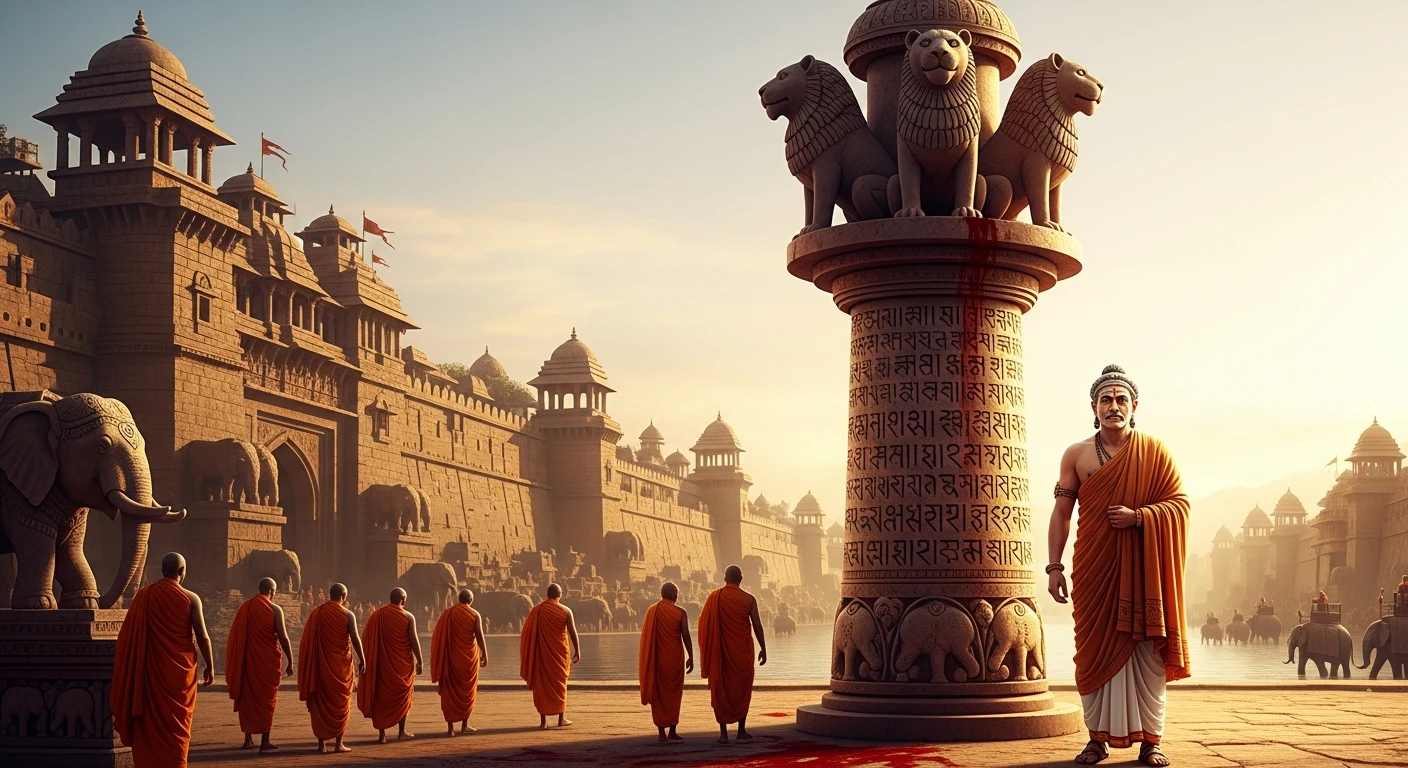
Ashoka: The Buddhist Emperor
16 Chapters · Five Parts
The remarkable transformation of Emperor Ashoka from a ruthless conqueror to the greatest patron of Buddhism, spreading Dharma across the ancient world.
From the Hindu Kush to the Deccan, an empire turned to dharma
Under Ashoka (r. 268–232 BCE) the Mauryan Empire reached from the Hindu Kush to the Bay of Bengal and south into the Deccan — the largest the subcontinent had yet seen. After the carnage of the Kalinga war he renounced conquest and ruled by dharma, broadcasting it on rock and pillar edicts that still stand.
In sienna, the empire at its greatest extent — 321 to 185 BCE — set against the Indian subcontinent, with Pataliputra, the capital, marked.
Short on Time?
From the Kalinga War to the Rock Edicts
The Maurya Dynasty
Mauryavamsha3 chapters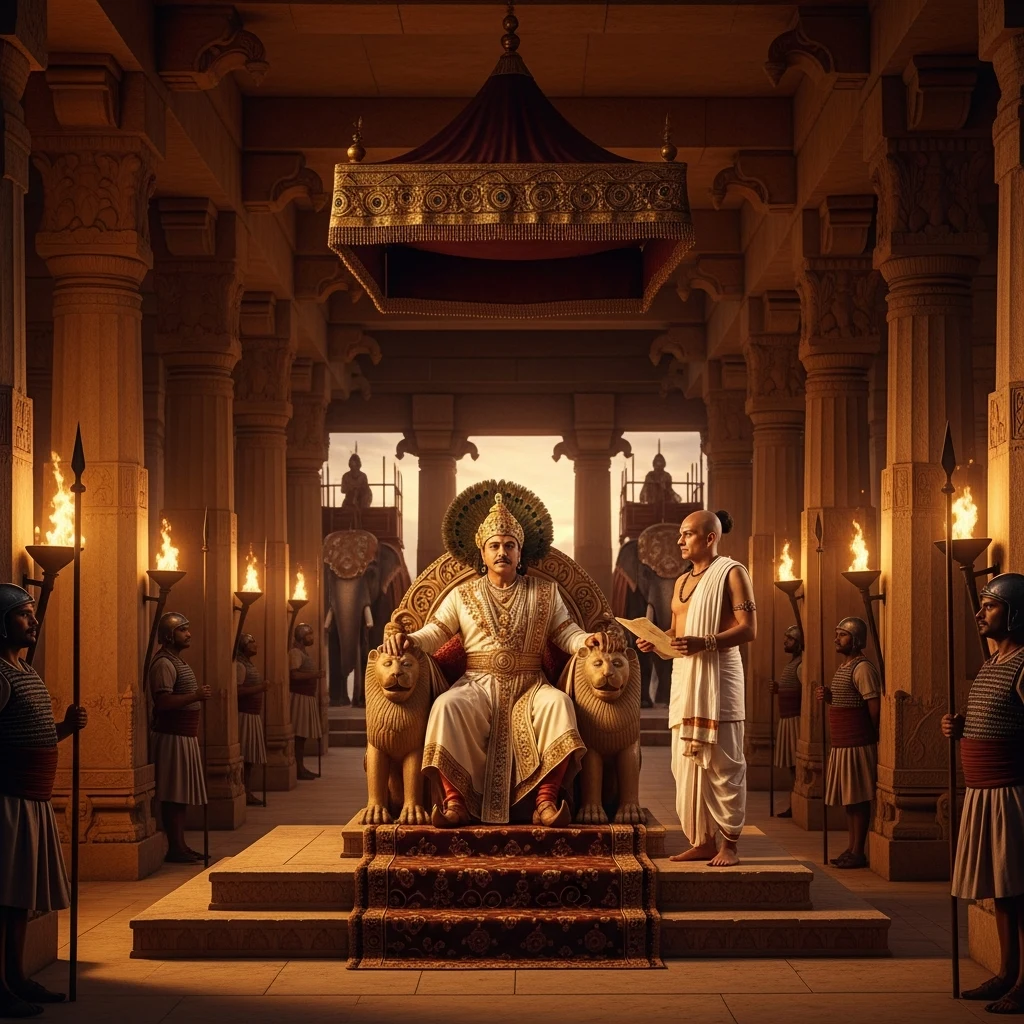
The Maurya Empire
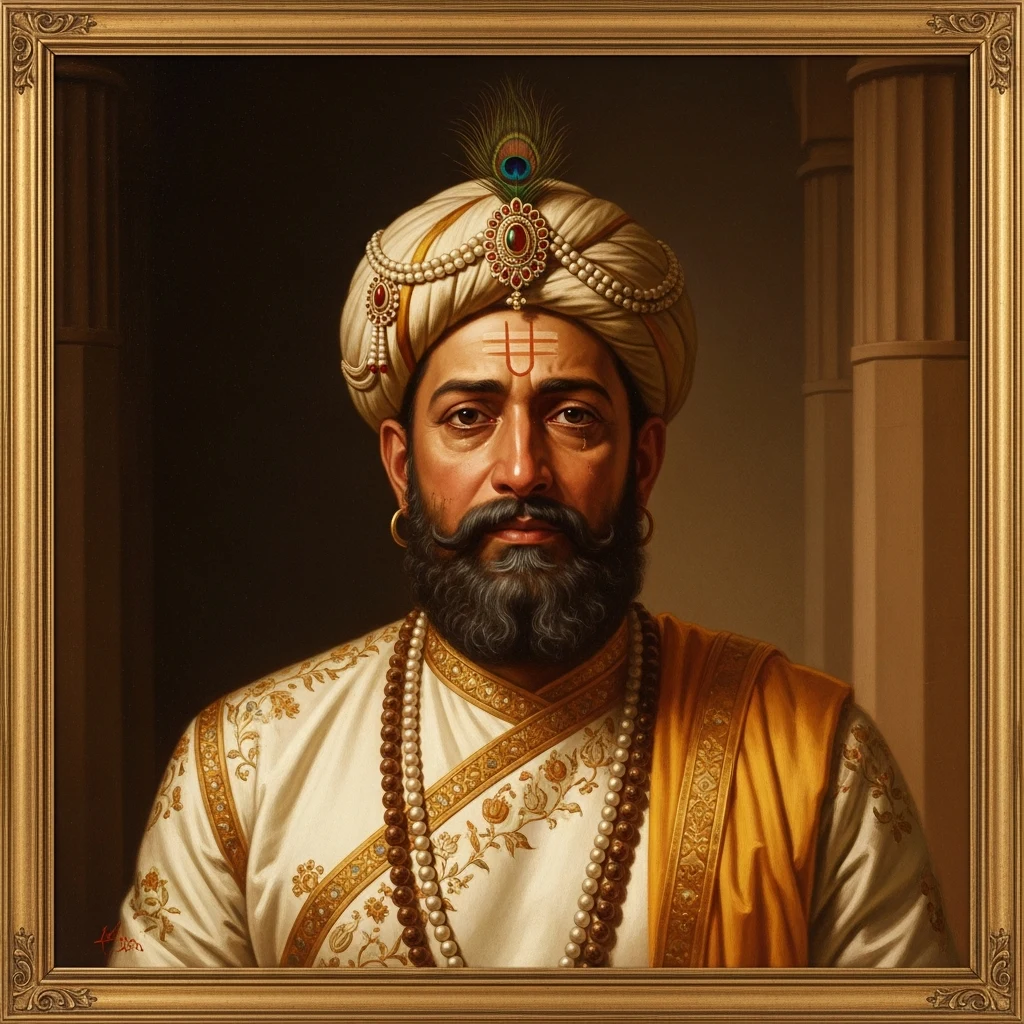
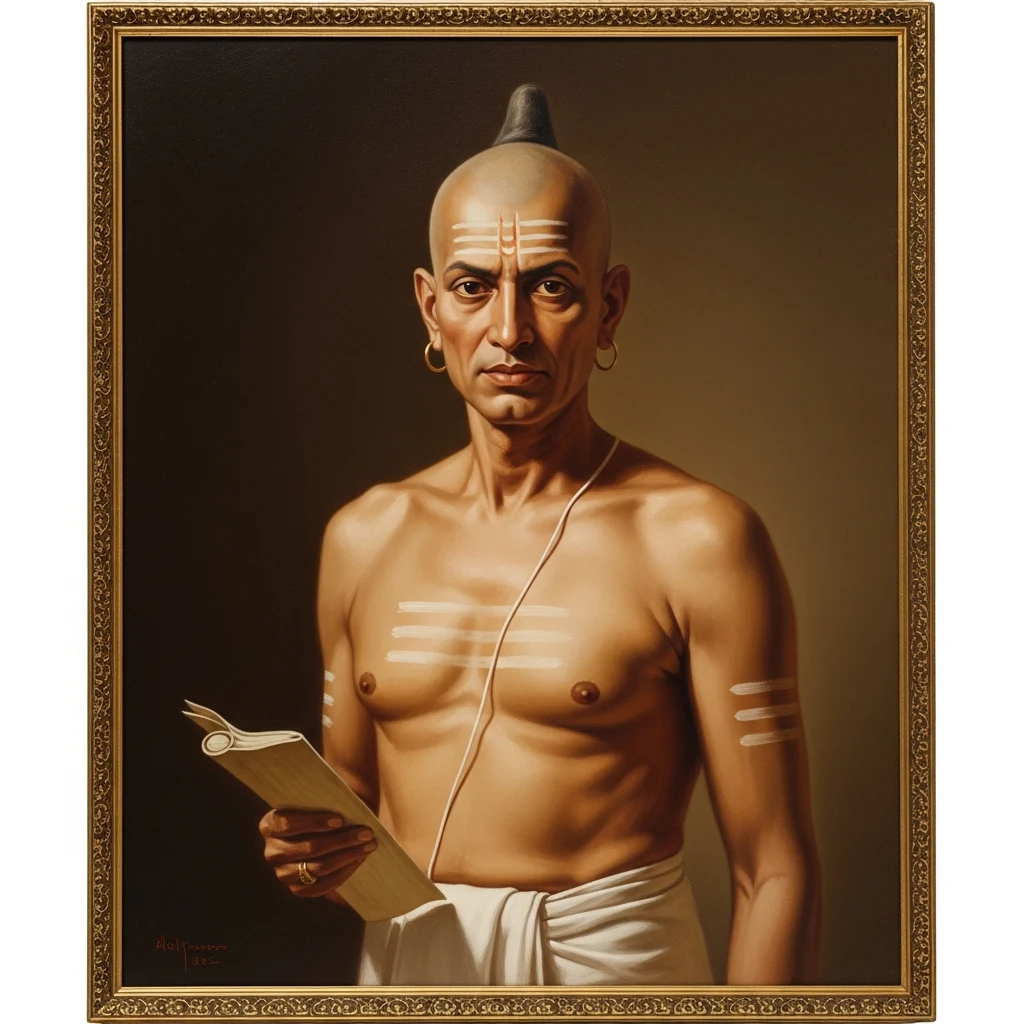
Chandragupta Maurya, guided by the brilliant strategist Kautilya, overthrows the Nanda dynasty and founds the mighty Maurya empire that would unite most of the Indian subcontinent.
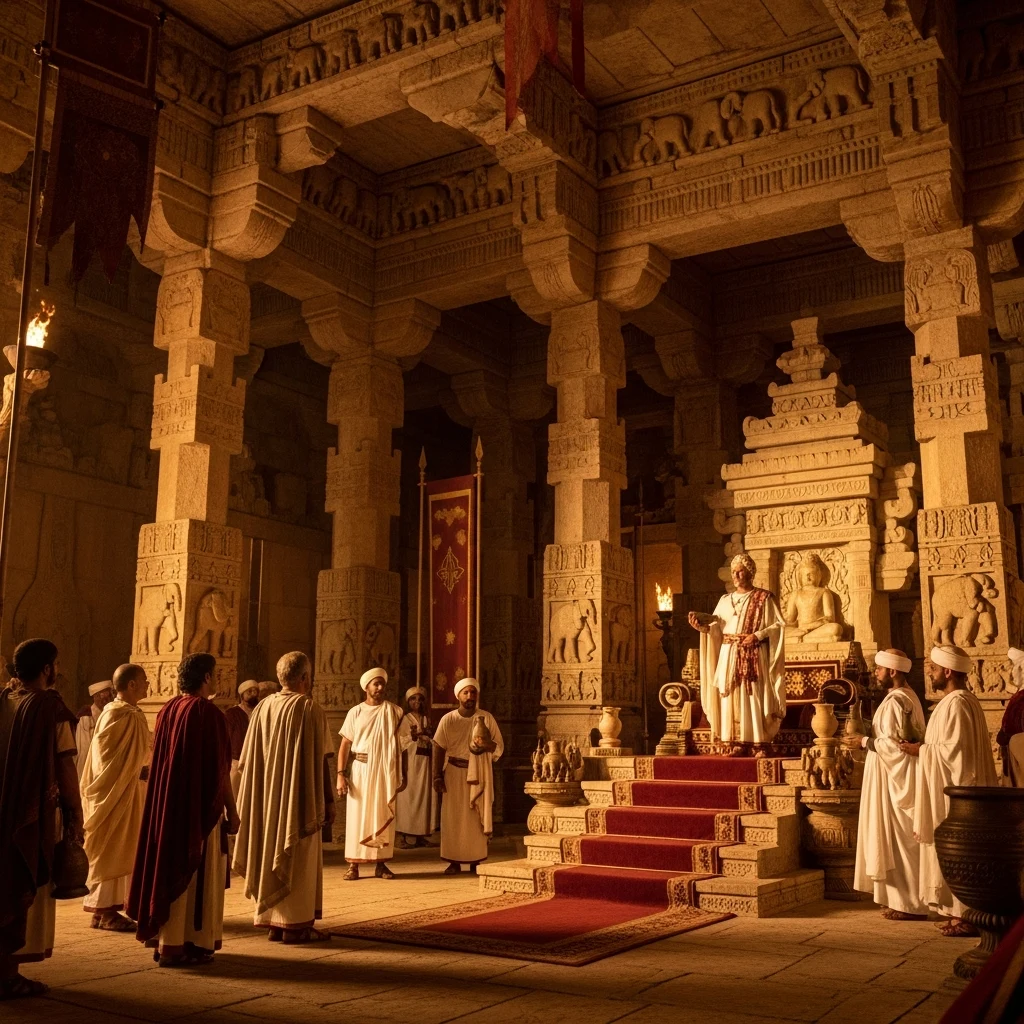
Bindusara and Succession
Ashoka's father Bindusara maintains Greek diplomatic connections while expanding the empire. Upon his death, a bloody succession war erupts among the princes.
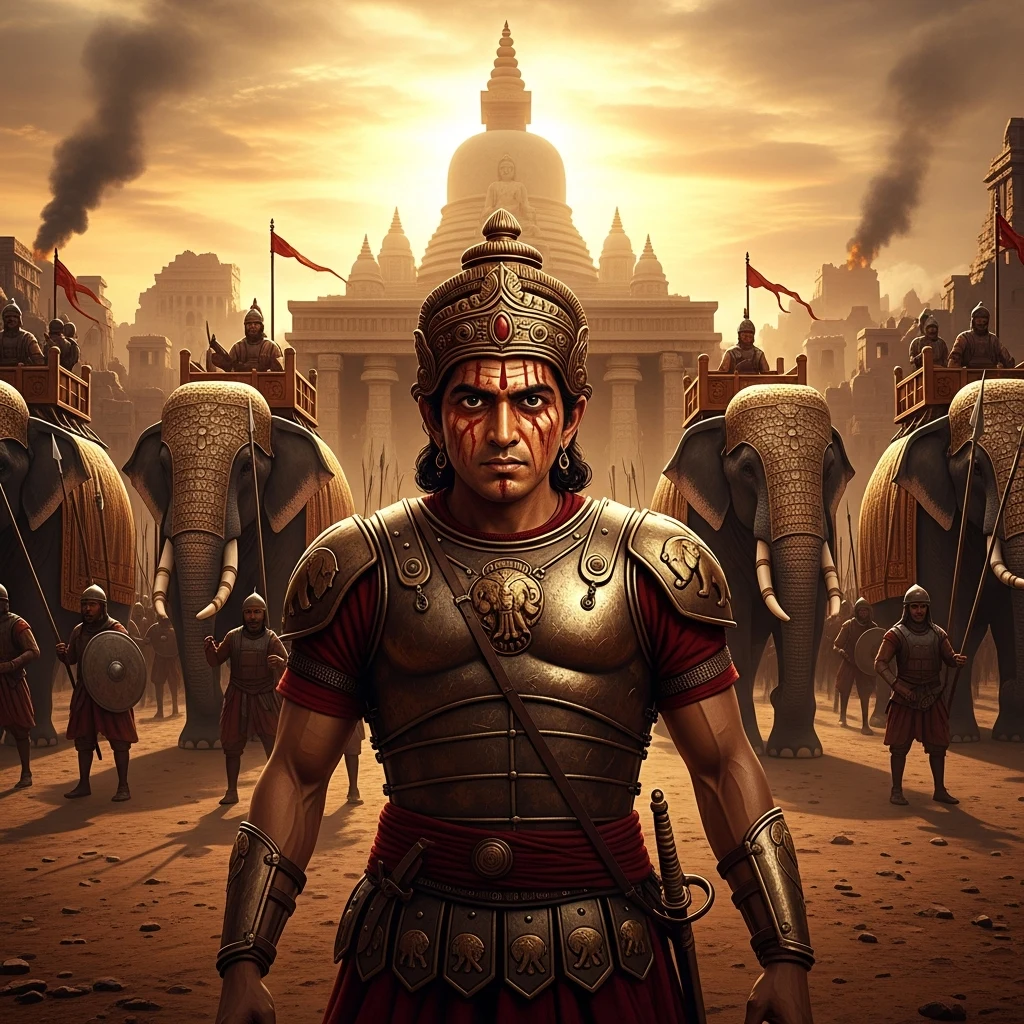
The Young Emperor
Ashoka seizes the throne and rules with an iron fist, earning the dreaded title Chandashoka — 'Ashoka the Fierce' — through his ruthless suppression of rivals and harsh governance.
The Transformation
Parivartana3 chapters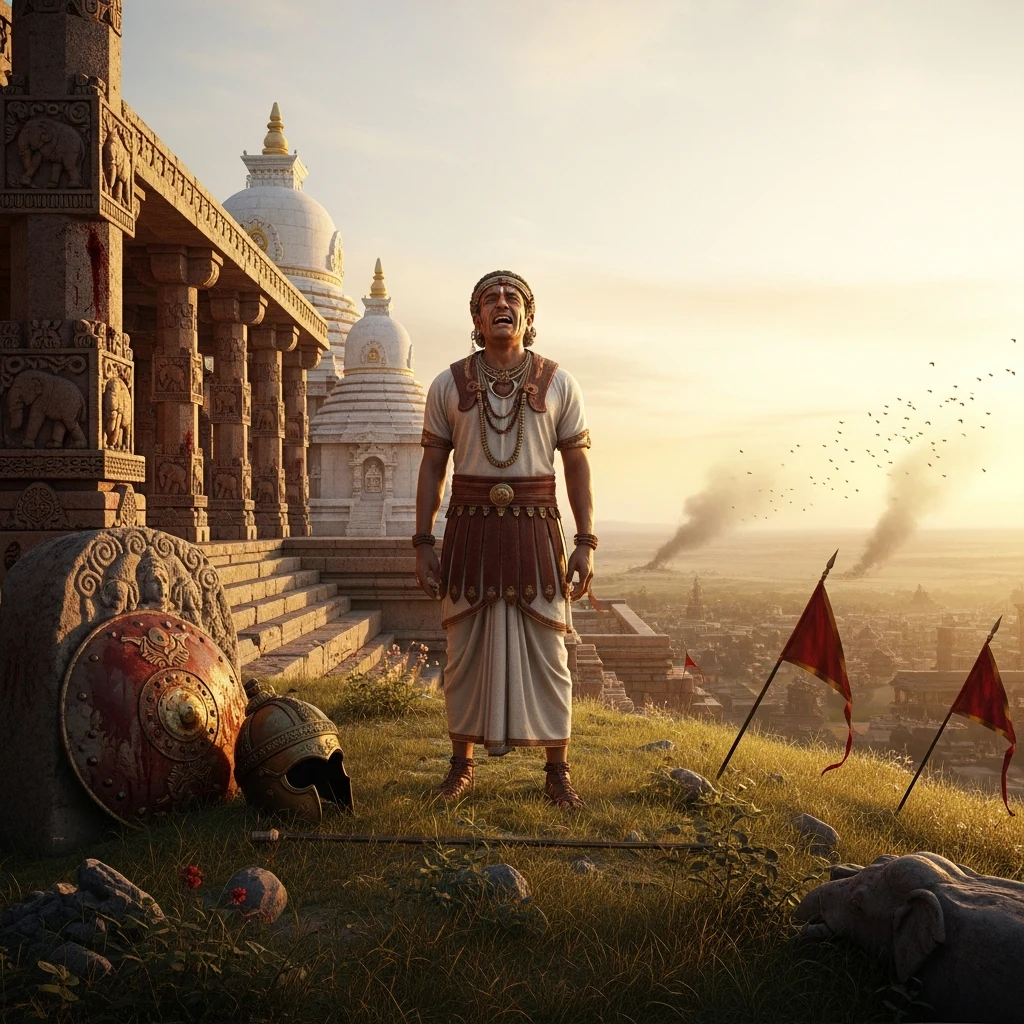
The Conquest of Kalinga
Ashoka's army devastates the kingdom of Kalinga in a war of staggering brutality — 100,000 killed, 150,000 deported. The carnage fills the emperor with profound horror and remorse.
The Convert
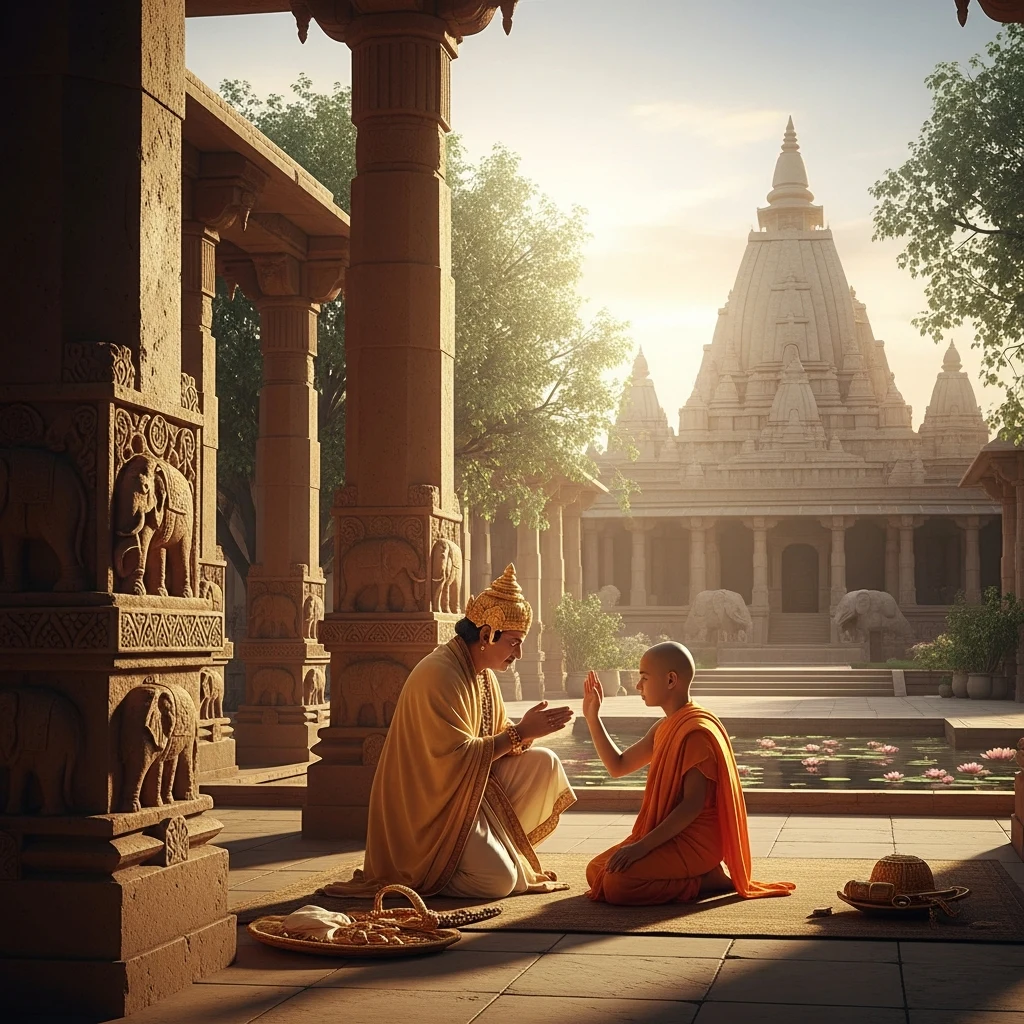
Shaken to his core by the suffering at Kalinga, Ashoka encounters Buddhist monks whose teachings transform him. He formally takes refuge in the Buddha's path.
The Dharma
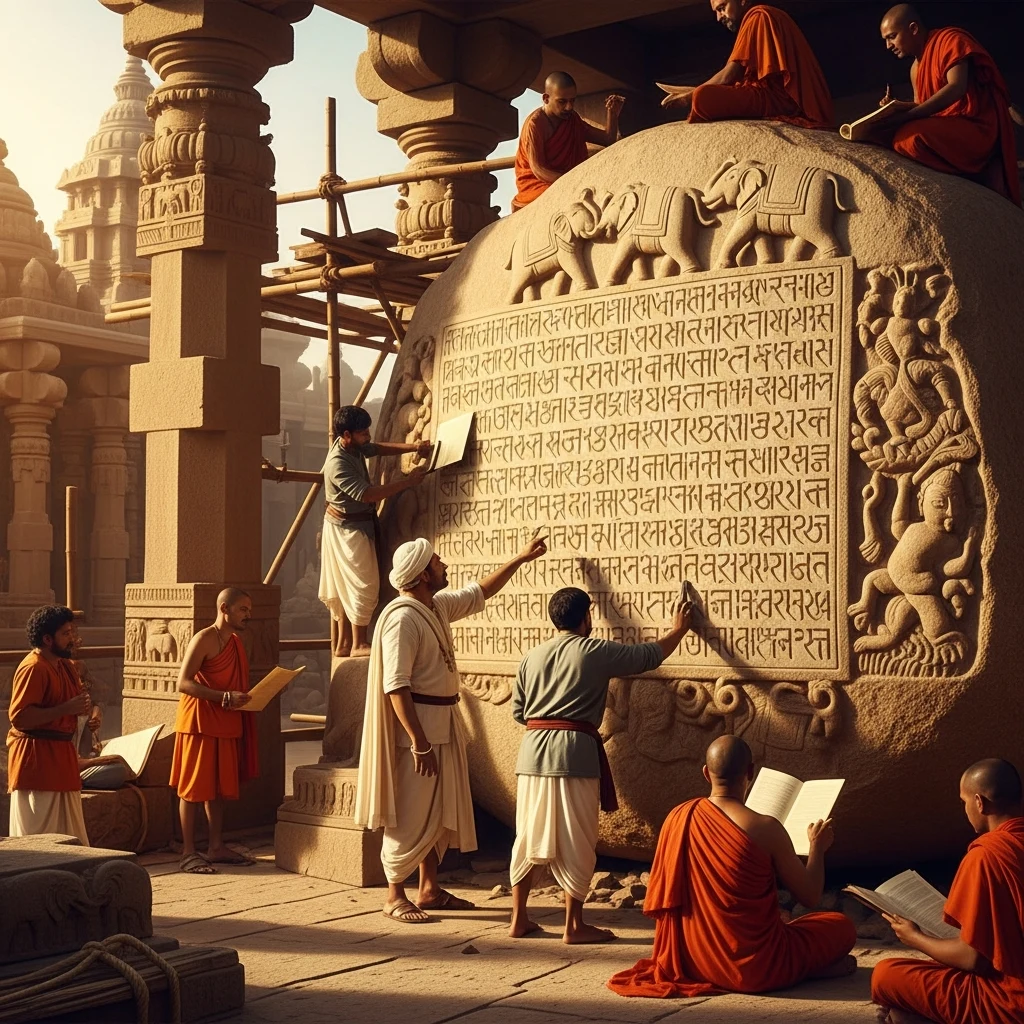
Ashoka develops his concept of Dhamma — a universal ethic of tolerance, non-violence, and welfare for all beings that transcends sectarian boundaries and guides his transformed rule.
The Edicts
Shilalekha4 chapters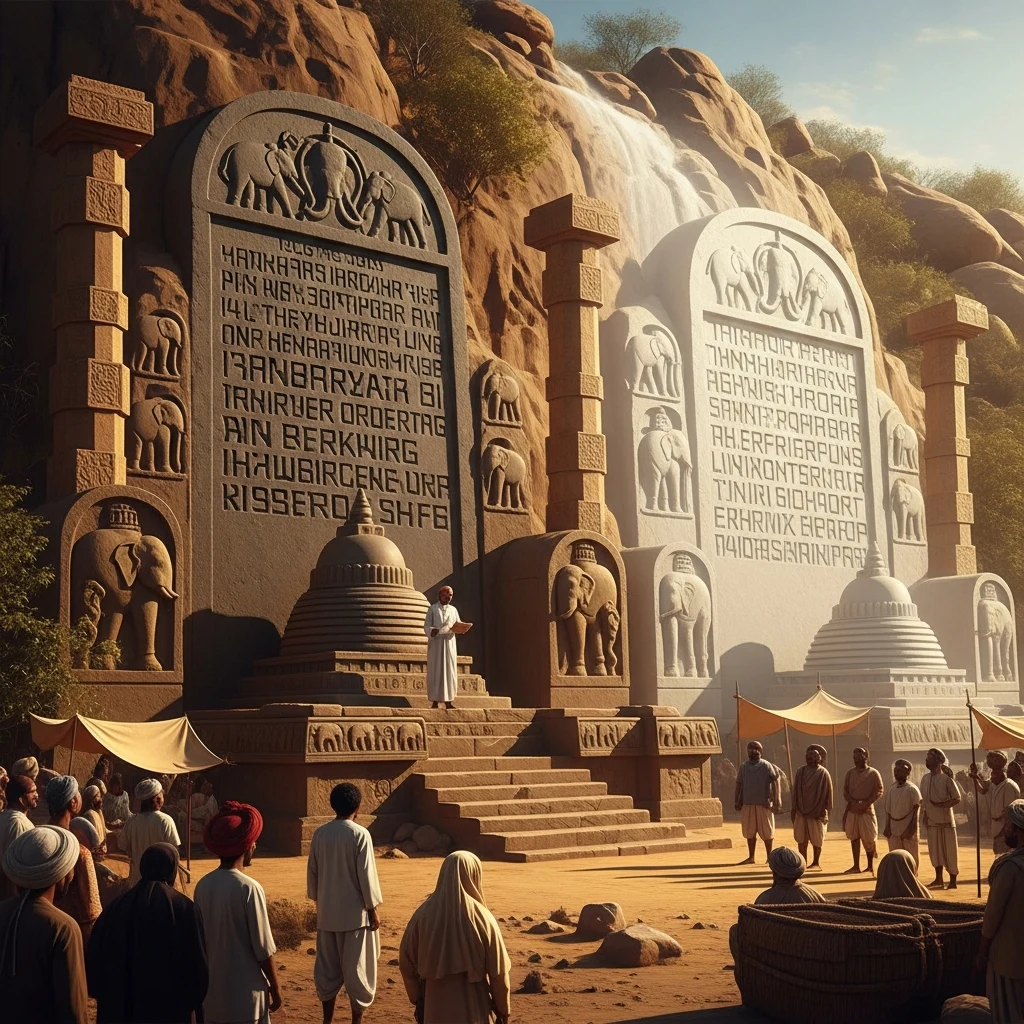
The Rock Edicts
Ashoka inscribes his fourteen major rock edicts on boulders and cliff faces across the empire, proclaiming his principles of Dhamma to all his subjects in their own languages.
The Pillar Edicts
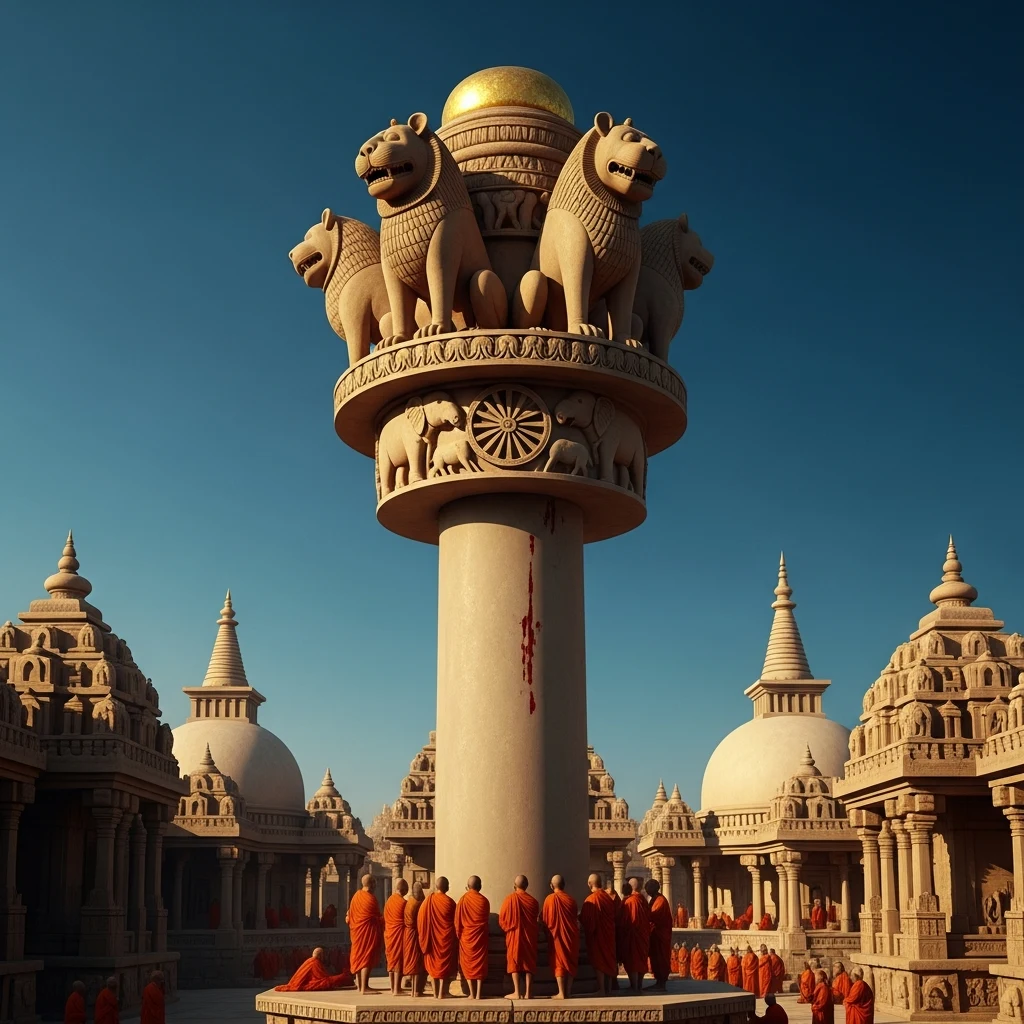
Seven grand pillar edicts are erected across the empire, crowned with the magnificent lion capital that would become the emblem of modern India.
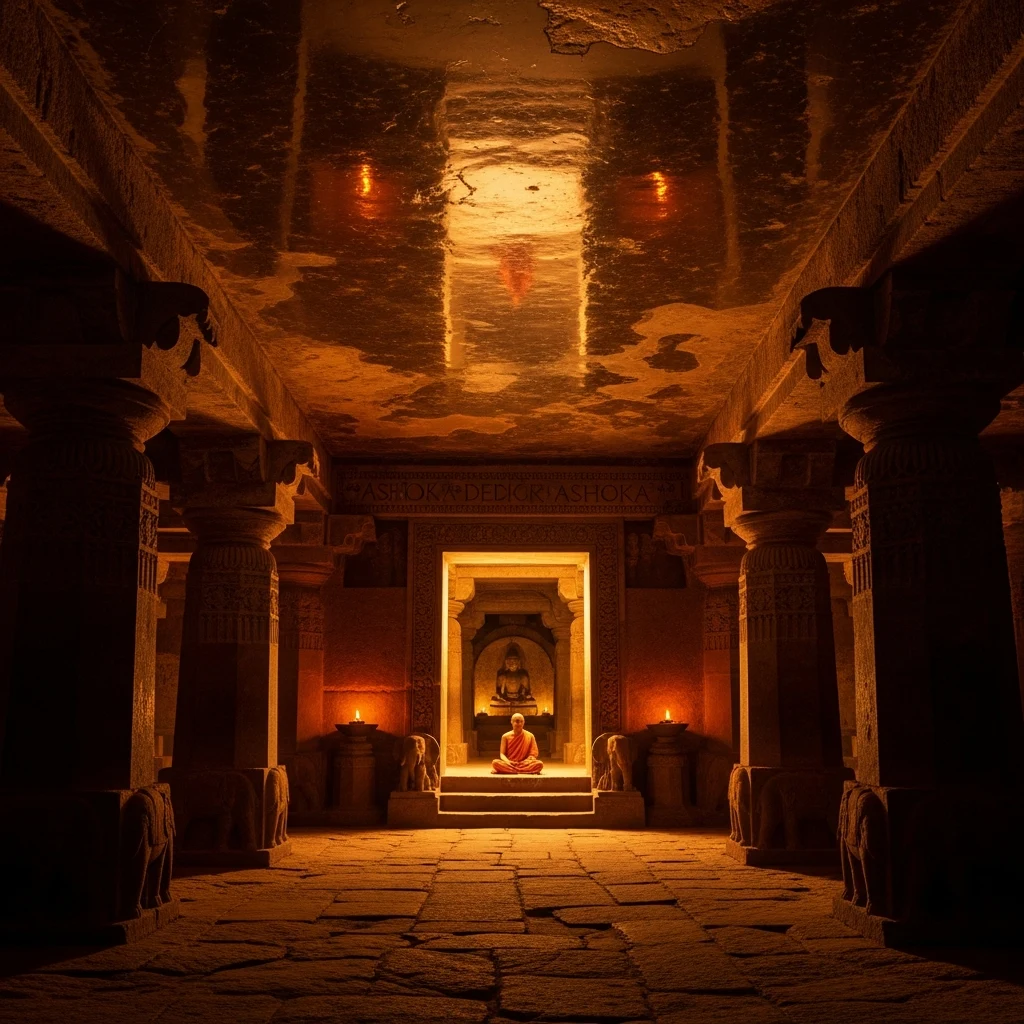
The Minor Edicts
The Kalinga edicts, cave inscriptions, and minor rock edicts reveal Ashoka's personal voice — intimate declarations of faith, regret, and aspiration carved in stone.
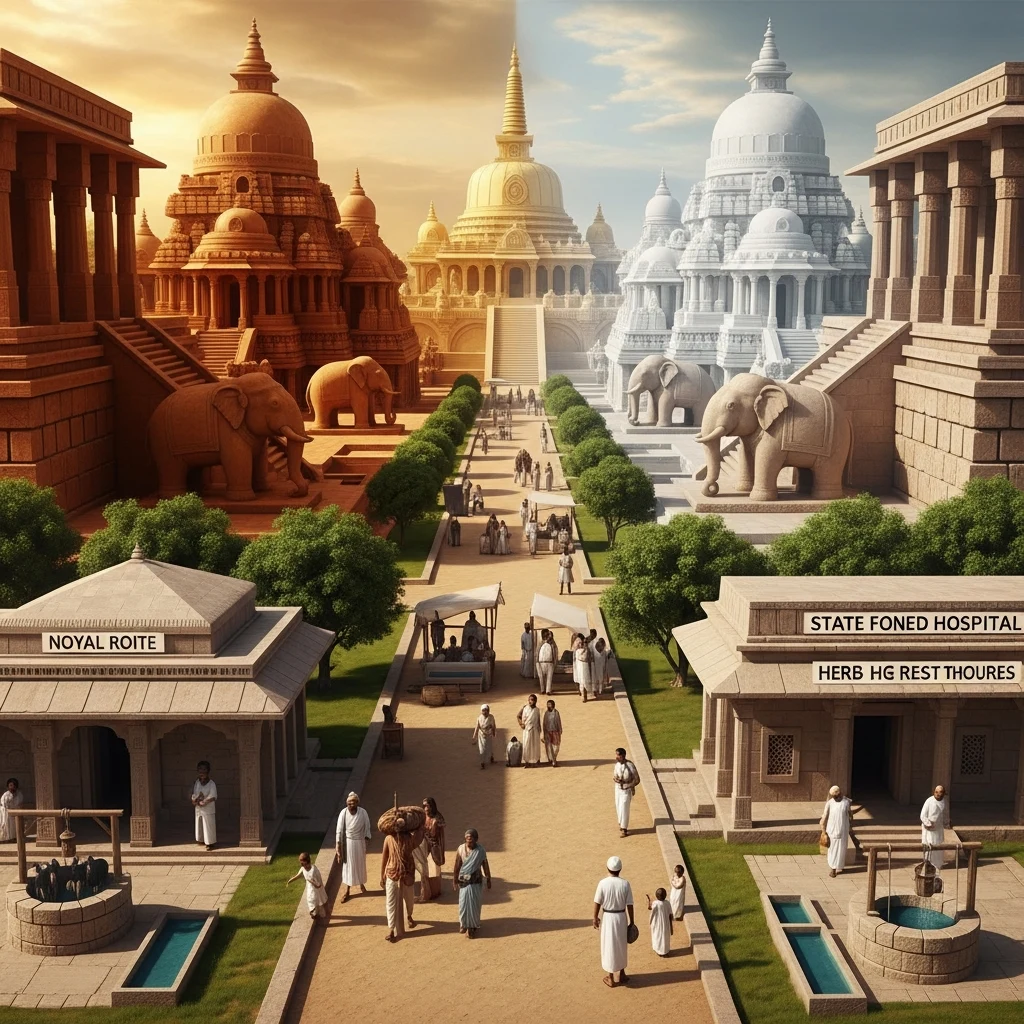
Ashoka's Administration
The emperor reforms governance to serve the welfare of his people — building hospitals, planting roadside trees, digging wells, and dispatching officers to ensure Dhamma is practiced throughout the land.
The Buddhist Mission
Dhammaduta3 chapters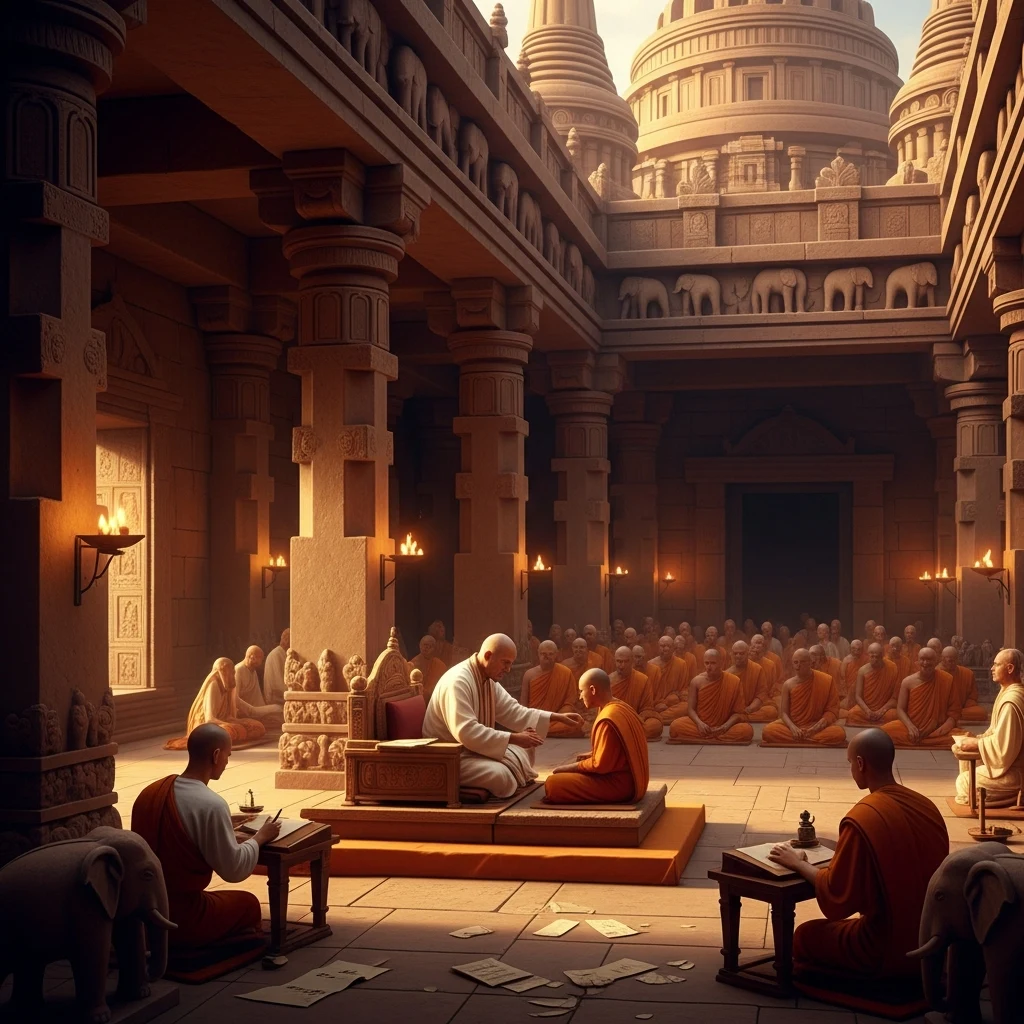
The Third Buddhist Council
Under Ashoka's patronage, the Third Buddhist Council convenes at Pataliputra to purify the Sangha, resolve doctrinal disputes, and codify the canonical scriptures.
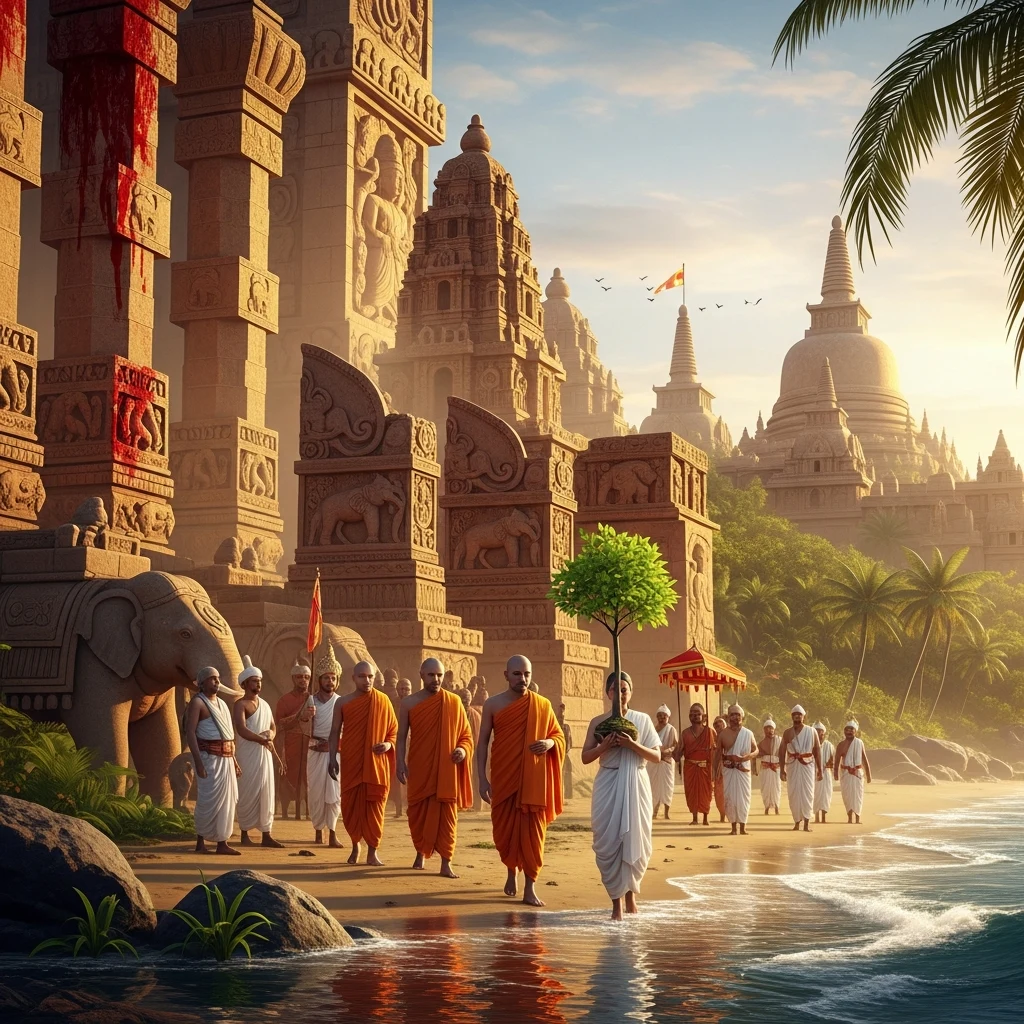
The Missionaries
Ashoka dispatches missions across the known world — his son Mahinda carries the Dharma to Sri Lanka, while other monks travel to Burma, the Greek kingdoms, and Central Asia.
Sacred Sites and Monuments
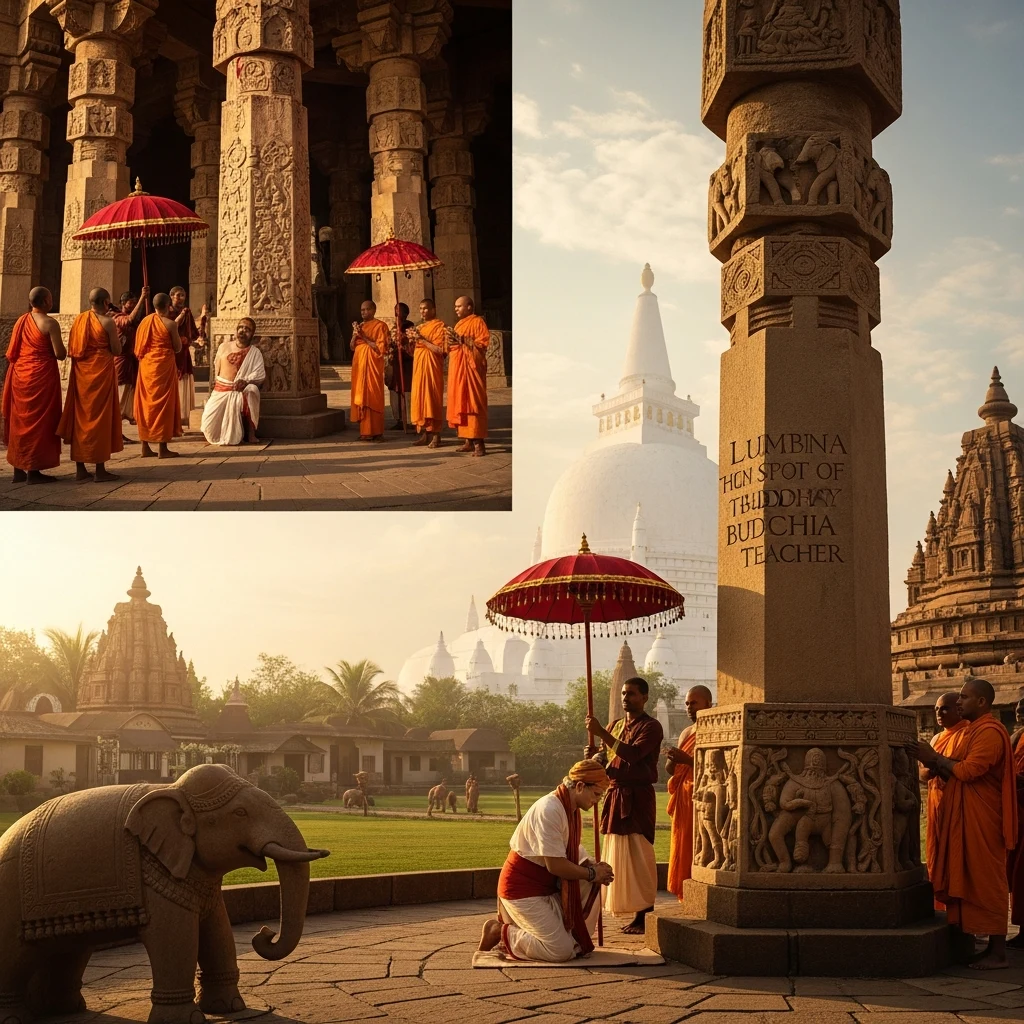
Ashoka undertakes pilgrimages to the holy sites of Buddhism and erects magnificent stupas at Sanchi, Sarnath, and across the empire, marking the sacred geography of the faith.
Legacy
Parampara3 chapters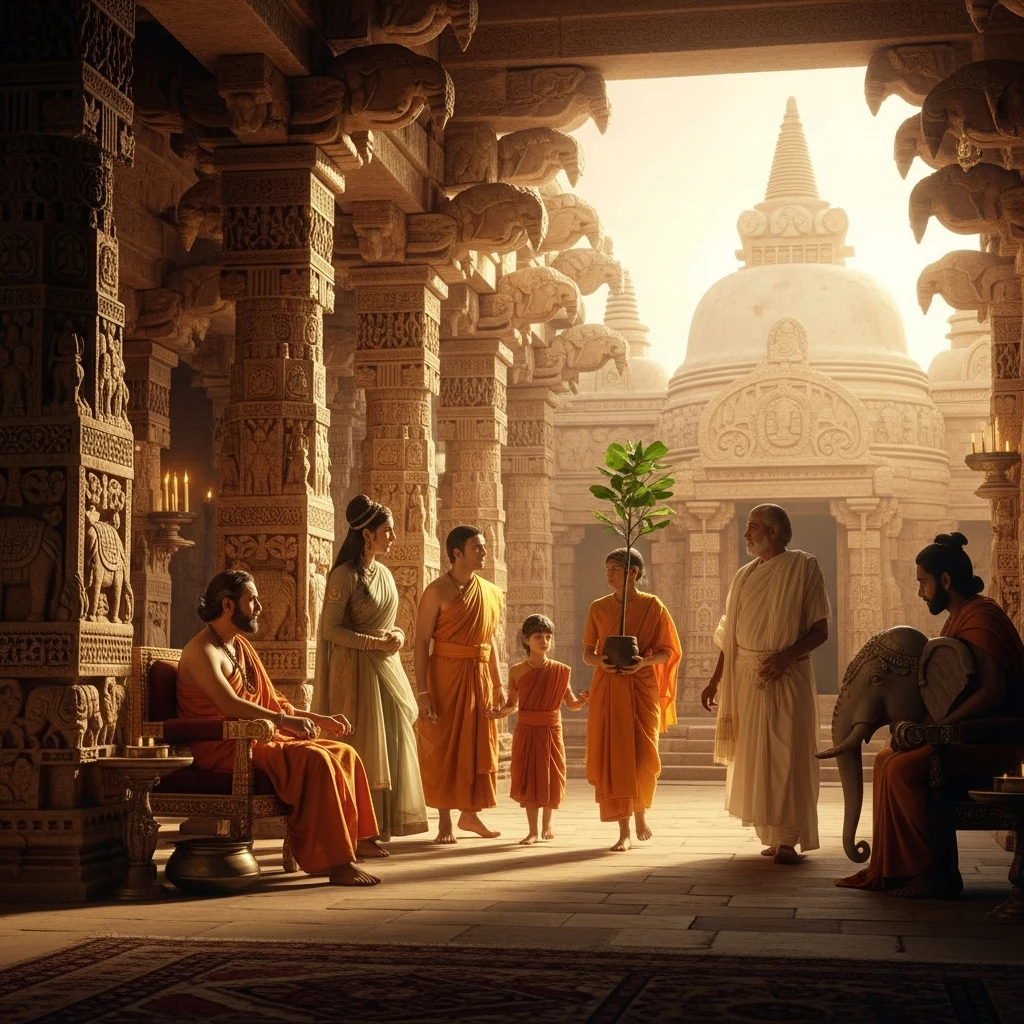
The Emperor's Family
Ashoka's children become instruments of the Dharma — prince Mahinda and princess Sanghamitta dedicate their lives to the Buddhist mission, carrying the faith to new lands.
The Decline of the Mauryas
Ashoka's final years see the great empire begin to fragment. Weak successors, provincial revolts, and the immense cost of the welfare state erode the Maurya hold on power.
Ashoka's Legacy
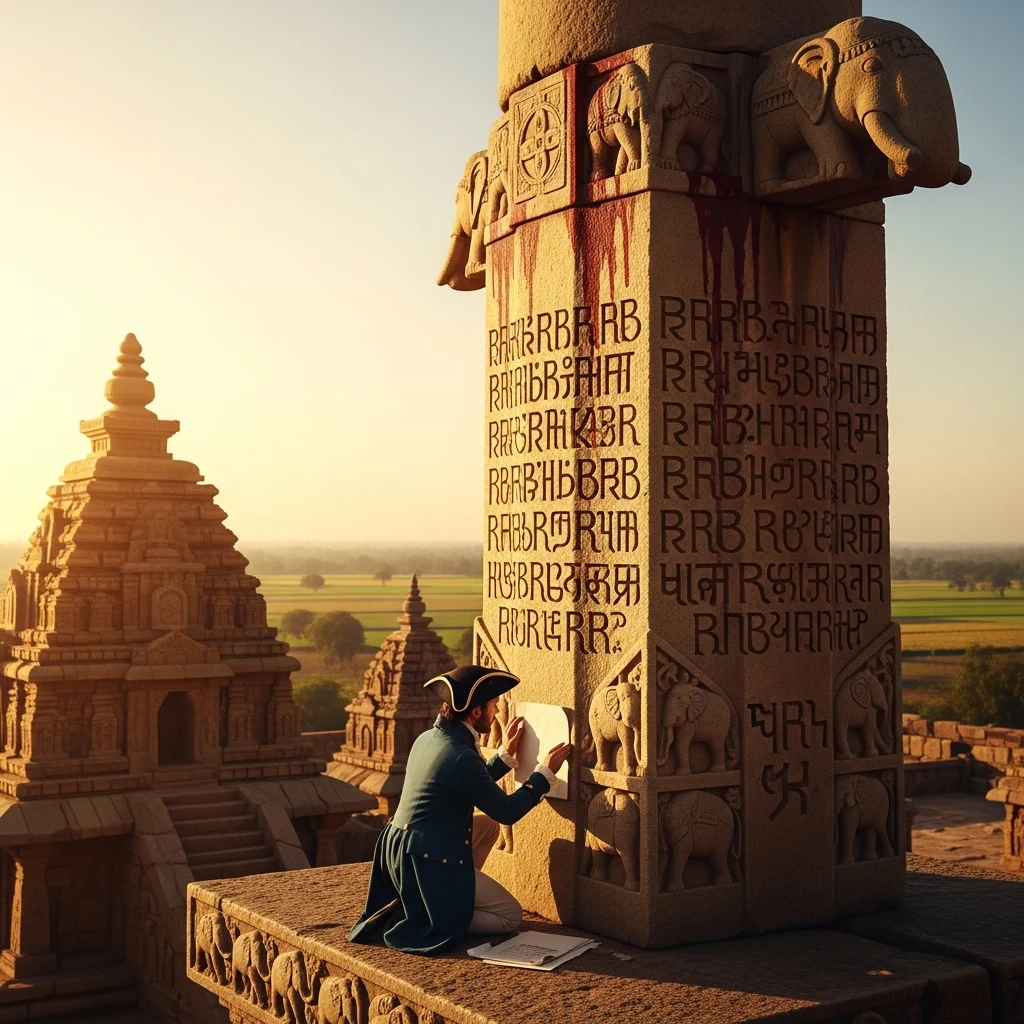
From the spread of Buddhism across Asia to the Ashoka Chakra on India's flag, the emperor's vision of Dhamma endures as one of history's most remarkable transformations of power into compassion.