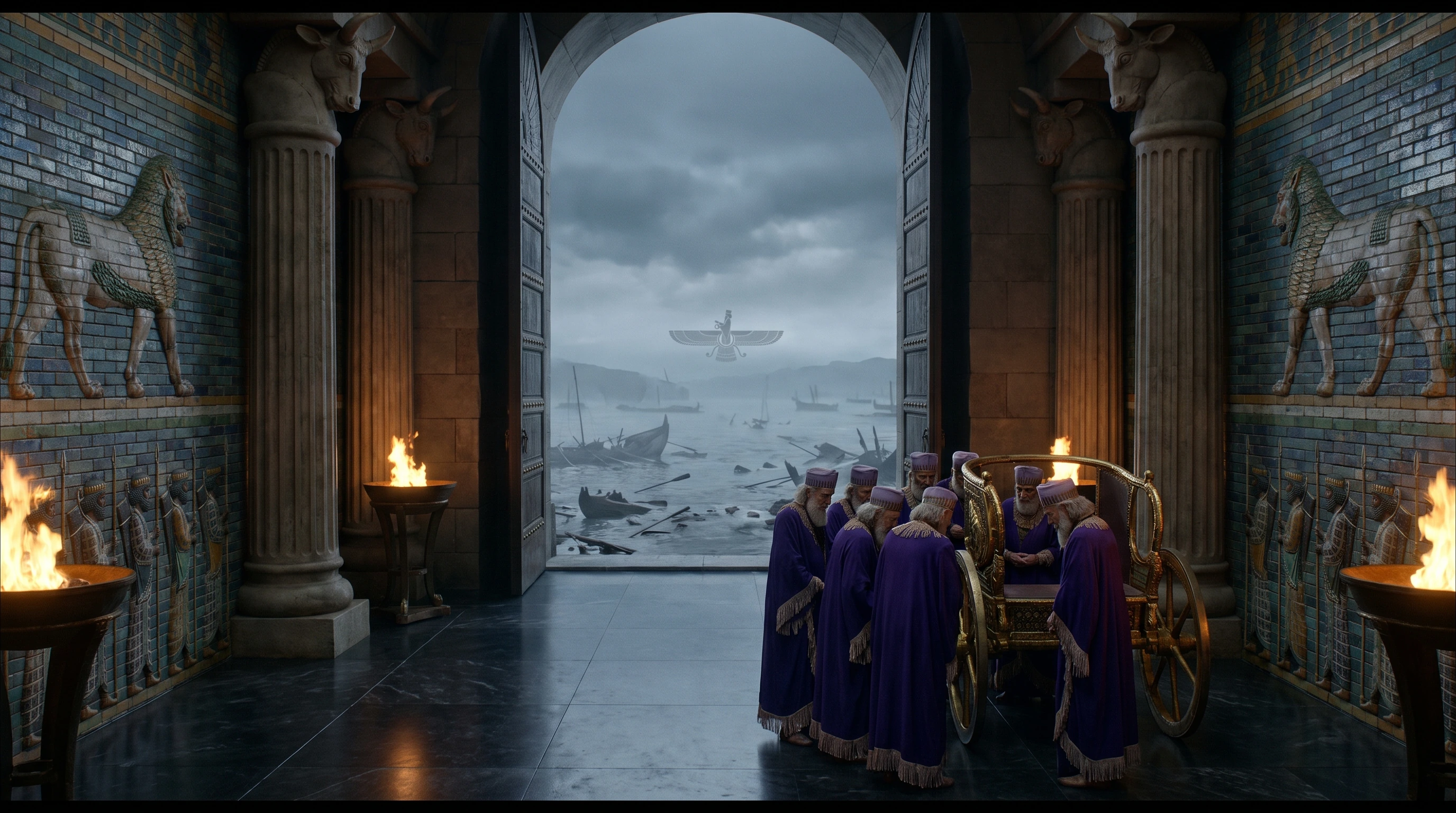
The Persians — The Tragedy of Salamis
Aeschylus wrote The Persians in 472 BC — the oldest surviving play in world drama. The Persian defeat at Salamis, told from the losing side, in the classic verse translation by E.D.A. Morshead.
Short on Time?
The Empire That Wept: Salamis from the Losing Side
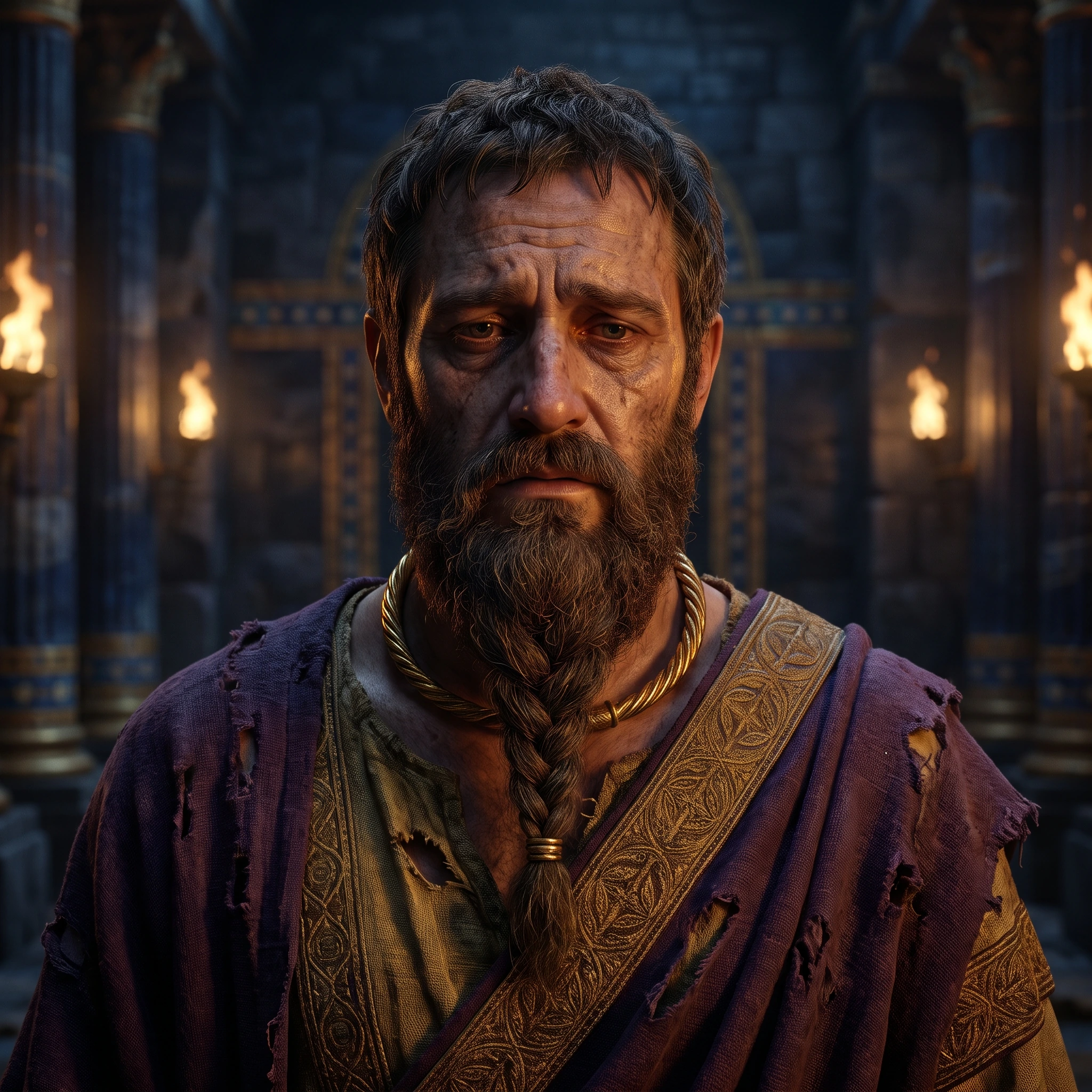
The Watchers of Susa
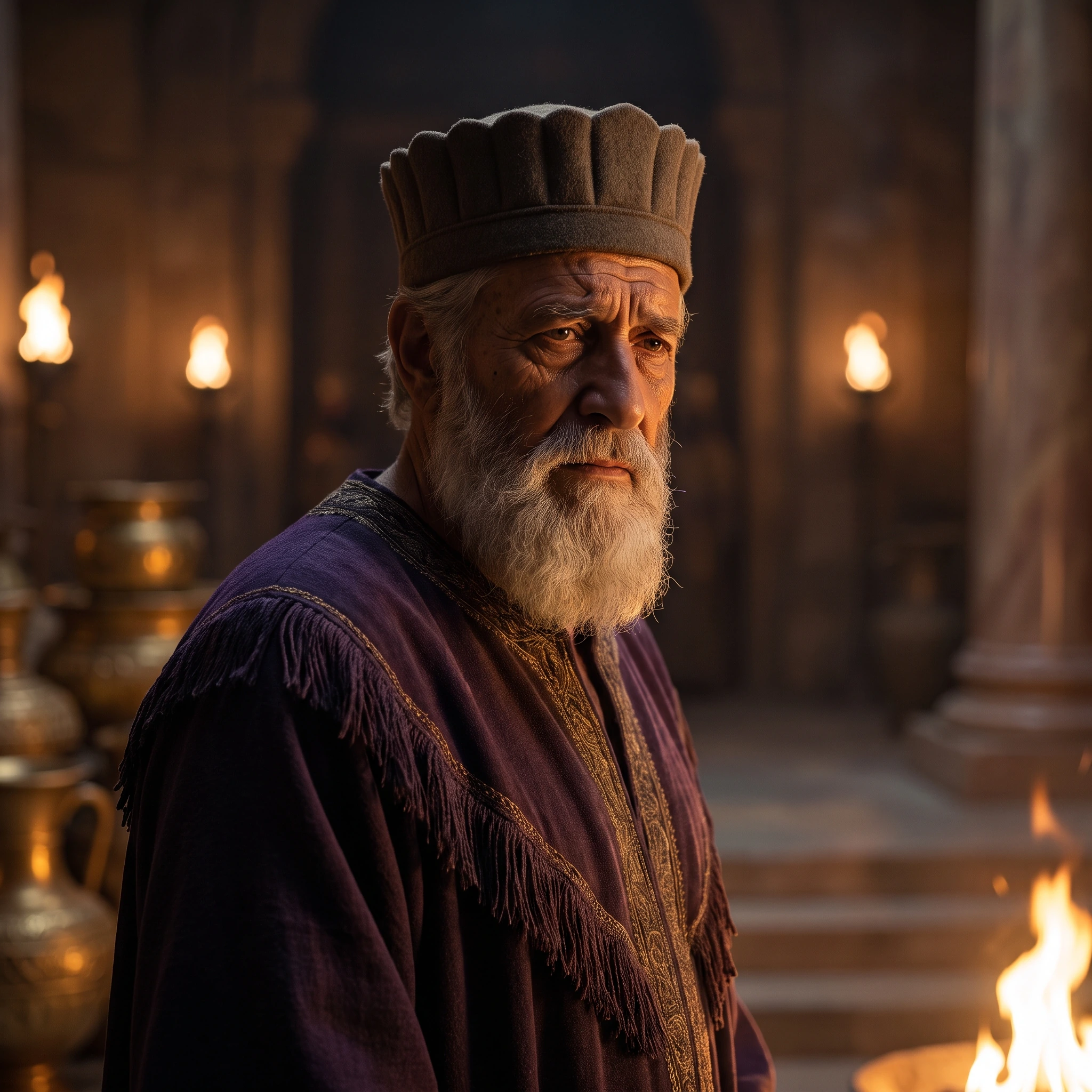
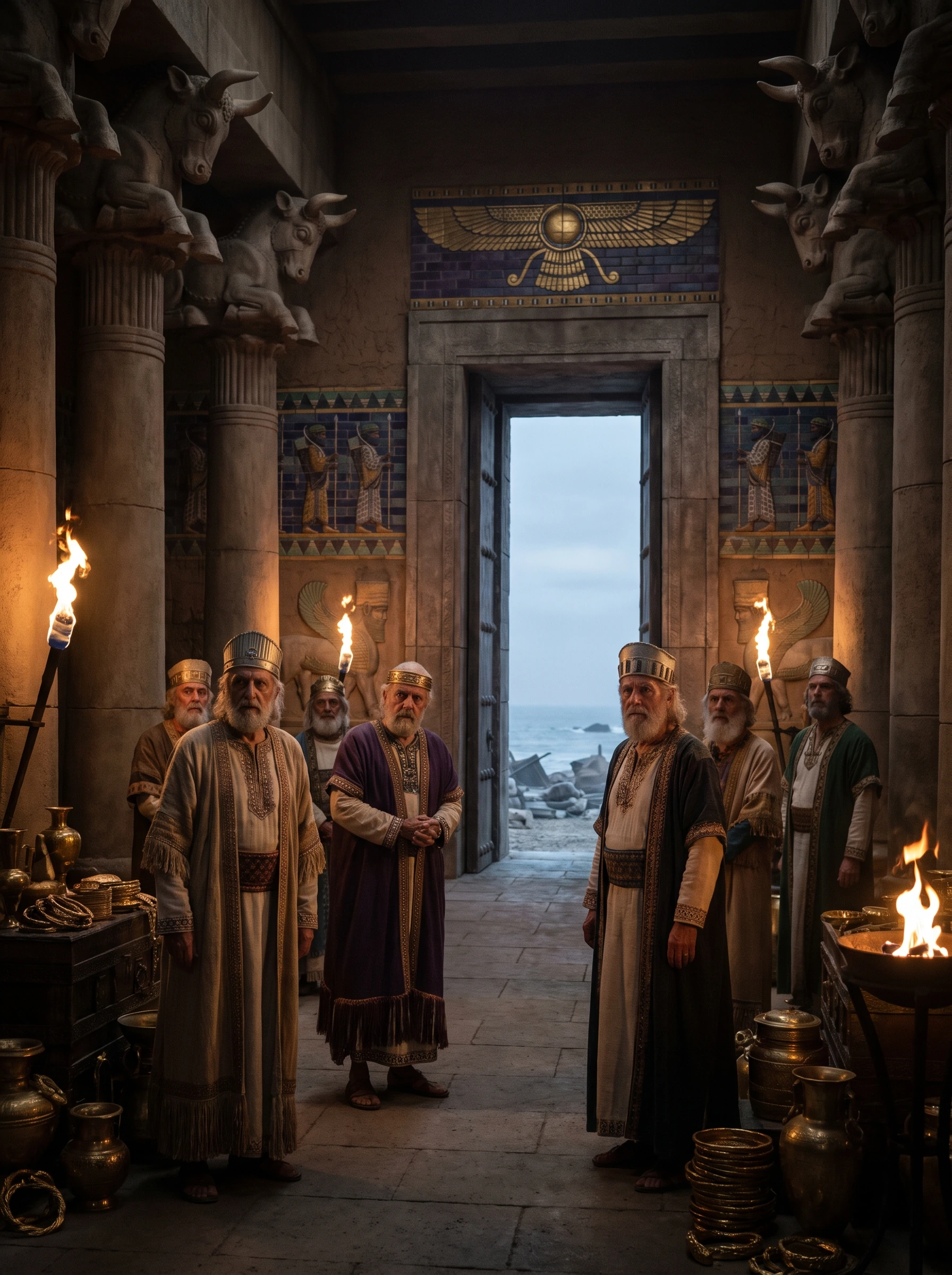
The old men of Susa, left to guard the empire's gold, count the glittering host that marched away with Xerxes — the lords of Persia, Egypt, Lydia, and Babylon — and cannot silence a growing dread. The king bridged the sacred sea itself. No messenger has come. And Até, the goddess of ruin, flatters men into her net.
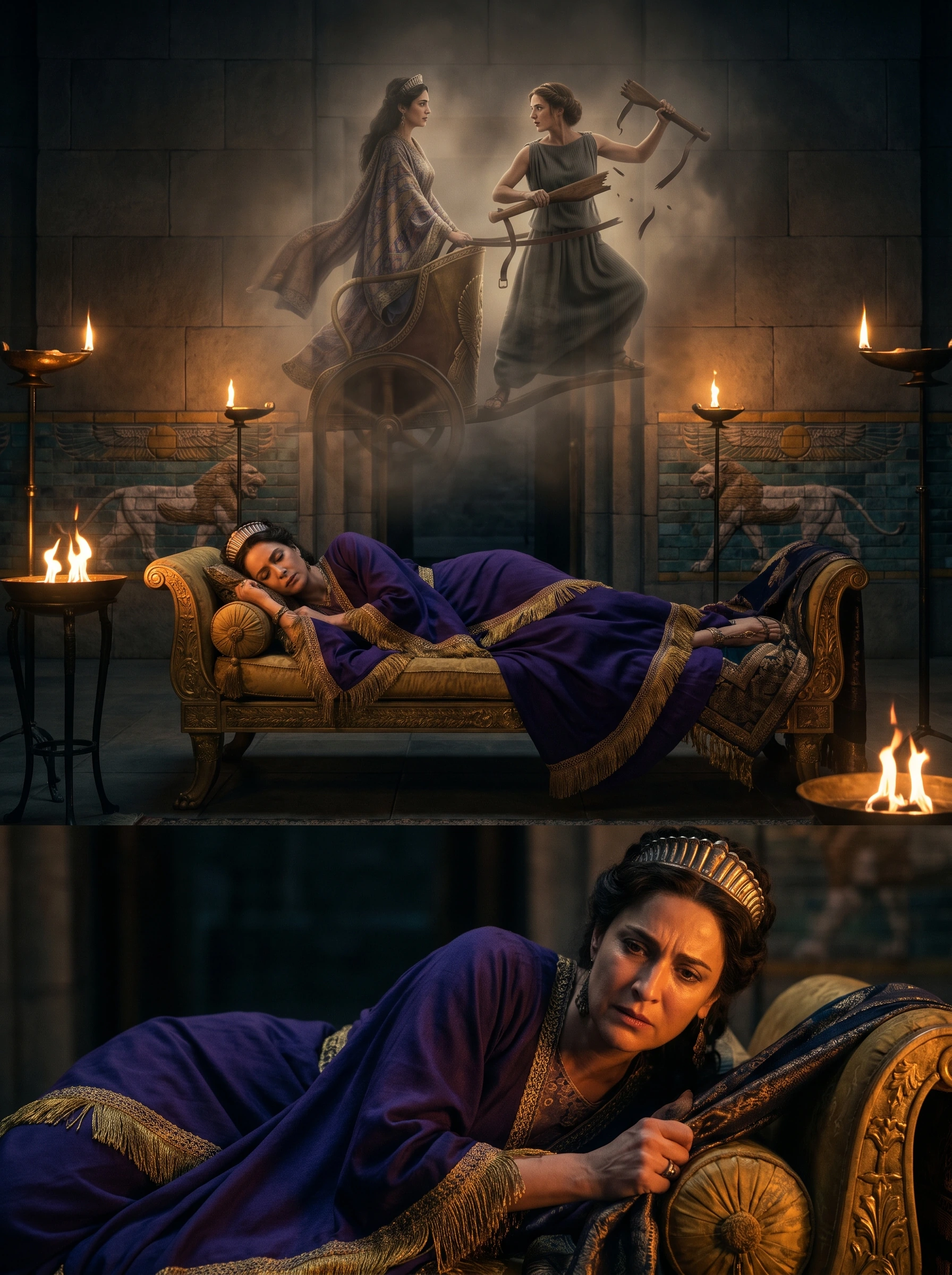
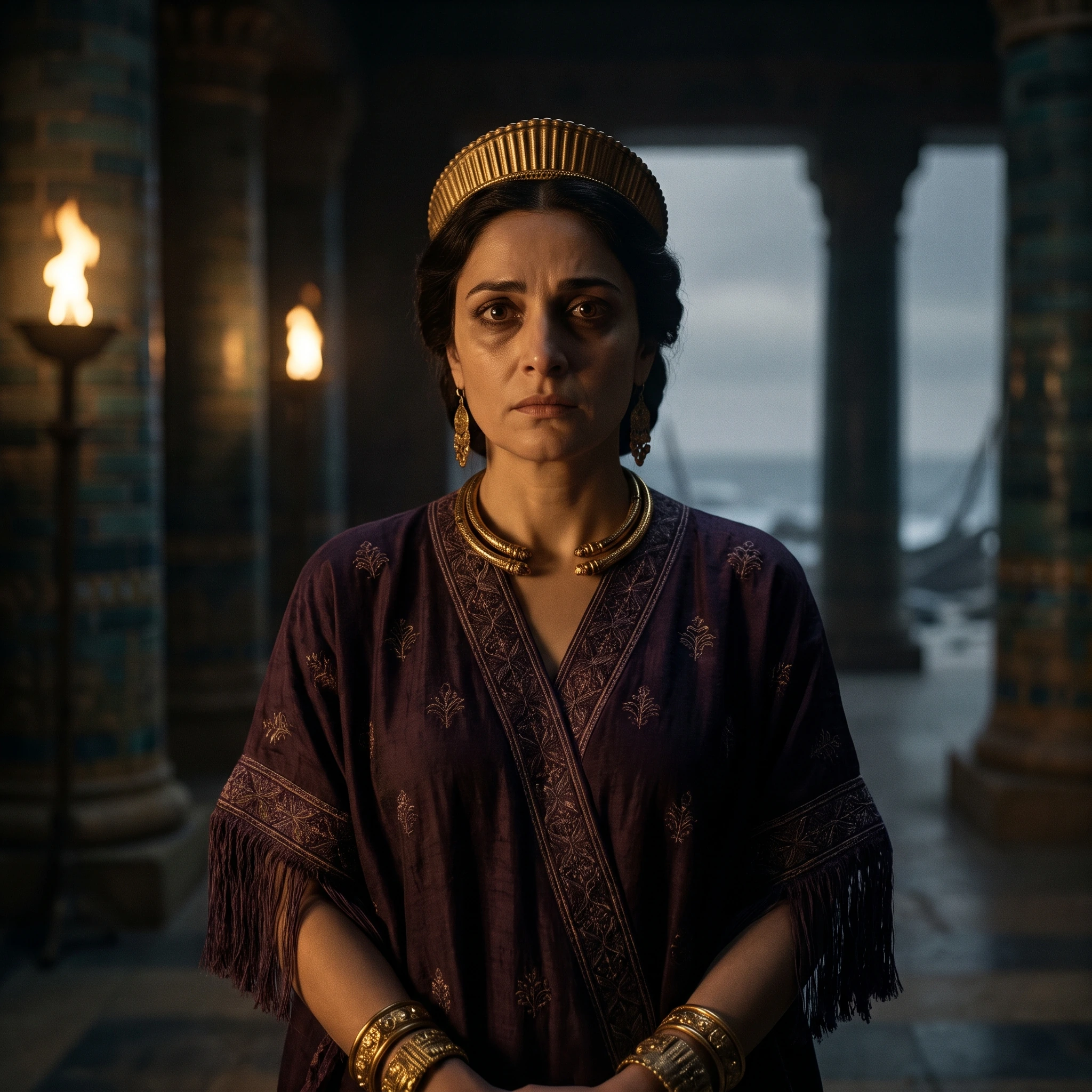
The Queen's Dream
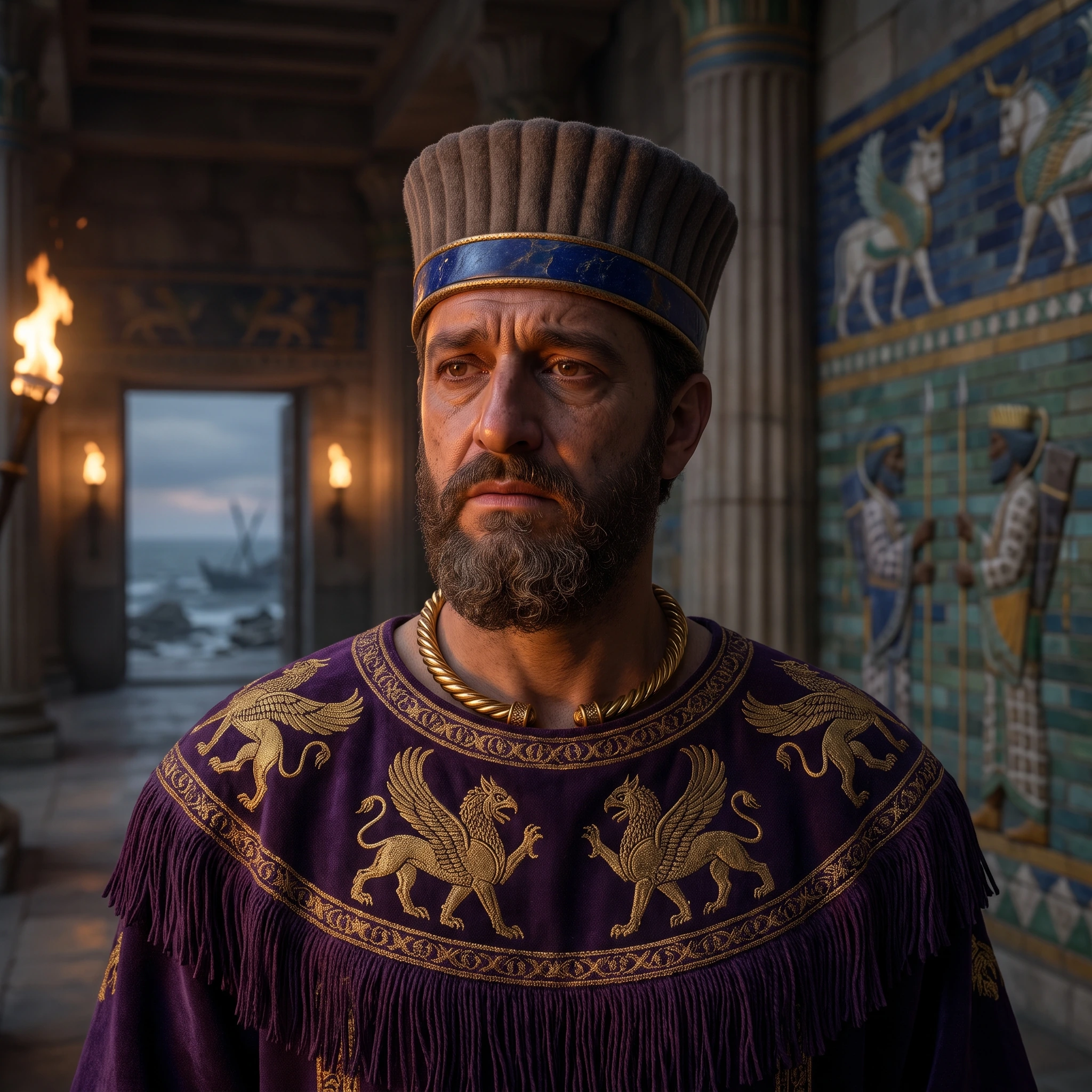
Queen Atossa — widow of Darius, mother of Xerxes — comes from the golden chambers shaken by a vision: two sisters, one in Persian robes and one in Greek, yoked to her son's chariot. One submits; the other shatters the yoke and throws him. Her questions about Athens draw the play's most famous answer: its men are slaves to no master.
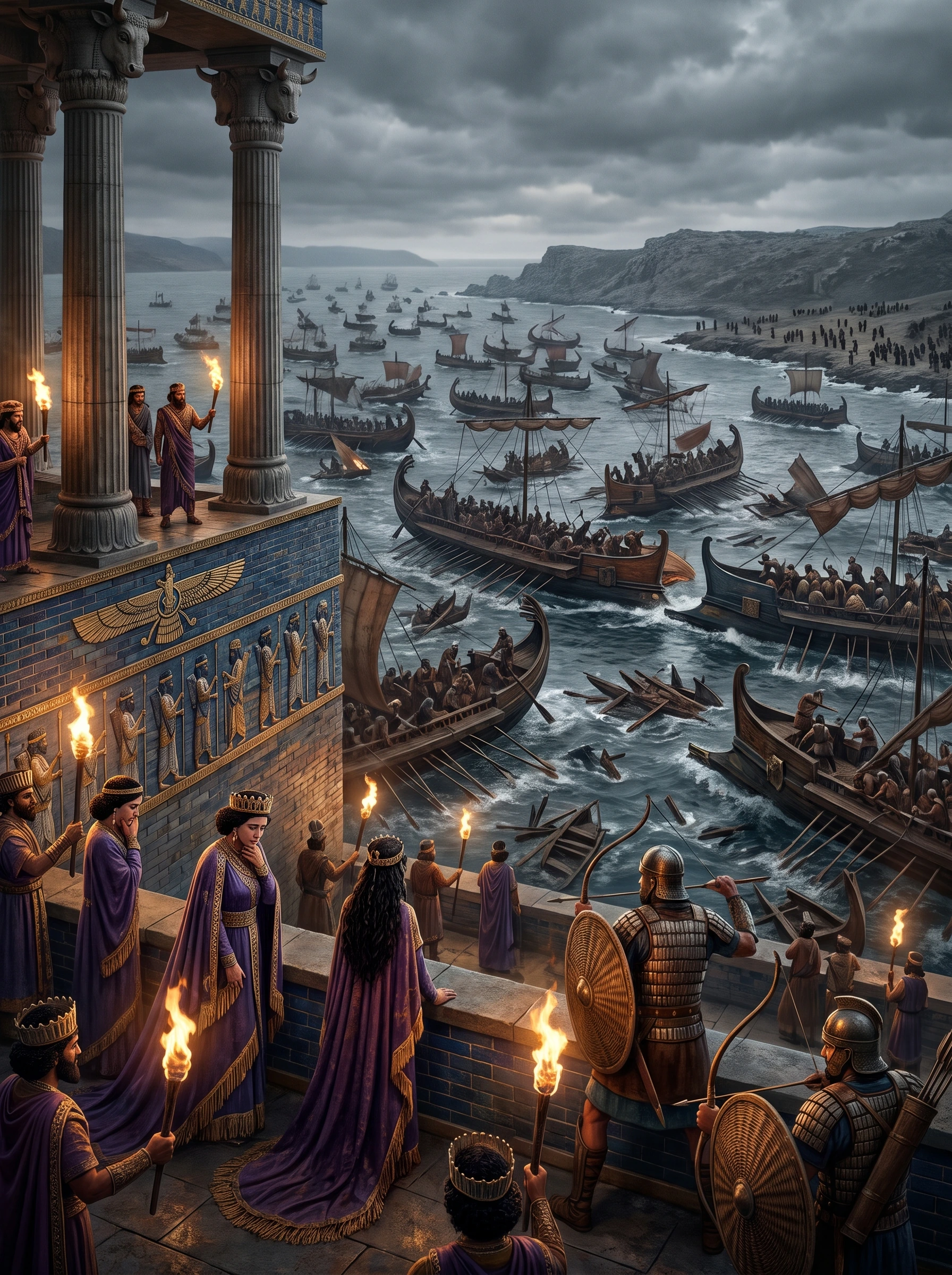
The Messenger — Salamis
A courier arrives with the news the elders feared: the fleet is destroyed. In the greatest battle narrative of Greek drama — spoken by an eyewitness playwright who fought there — the messenger tells how a Greek trick lured a thousand Persian ships into the narrow strait of Salamis, where they crushed one another as the enemy closed in like fishermen spearing tunnies.
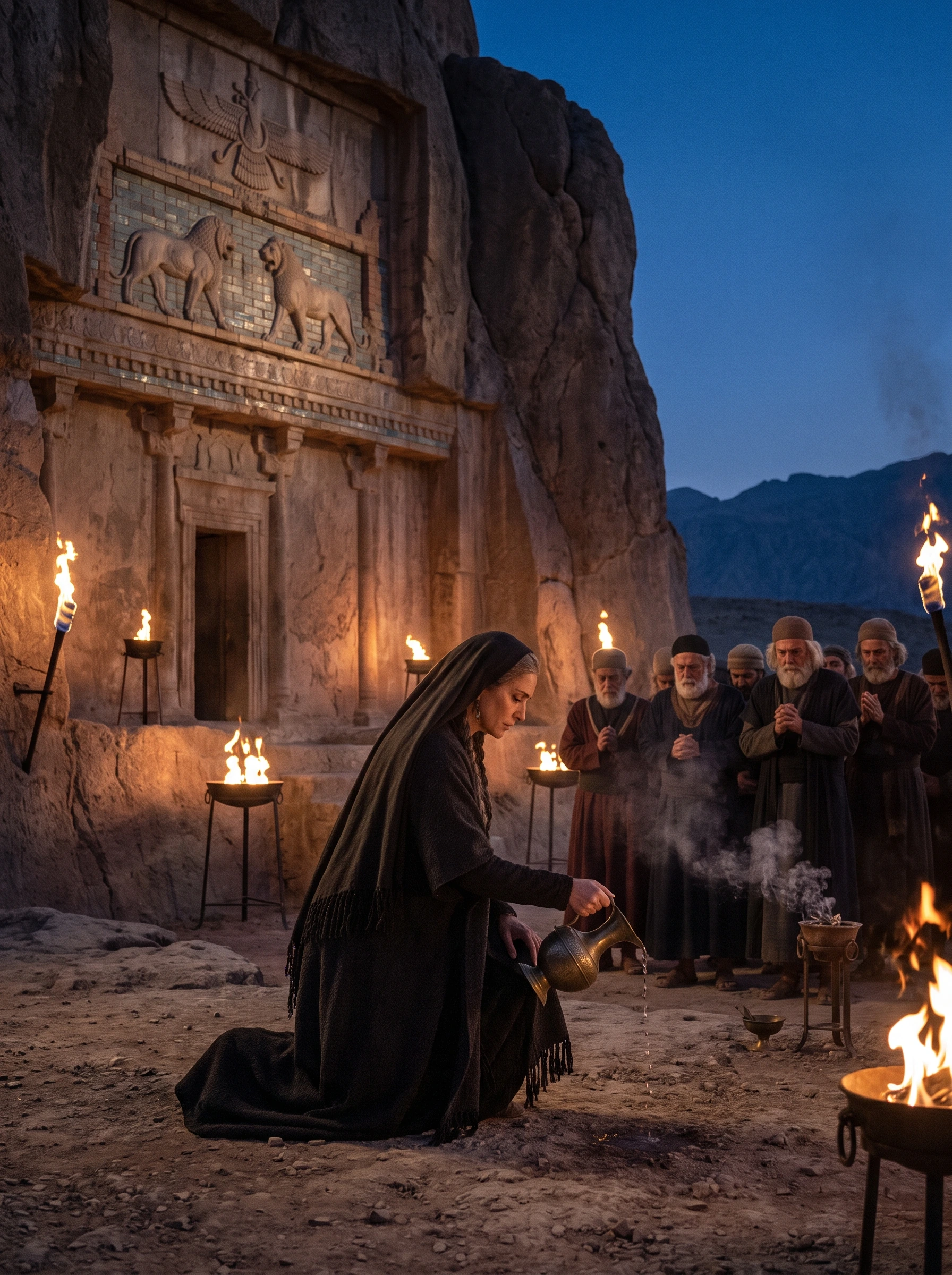
Libations for the Dead
The city dissolves in mourning — the widowed beds, the empty marching roads, an Asia that will no longer bow to a broken throne. Atossa returns without her royal chariot, carrying milk, honey, and wine for the dead, and asks the elders to sing the great king Darius up from his tomb, for only he can tell them the limit of their woe.
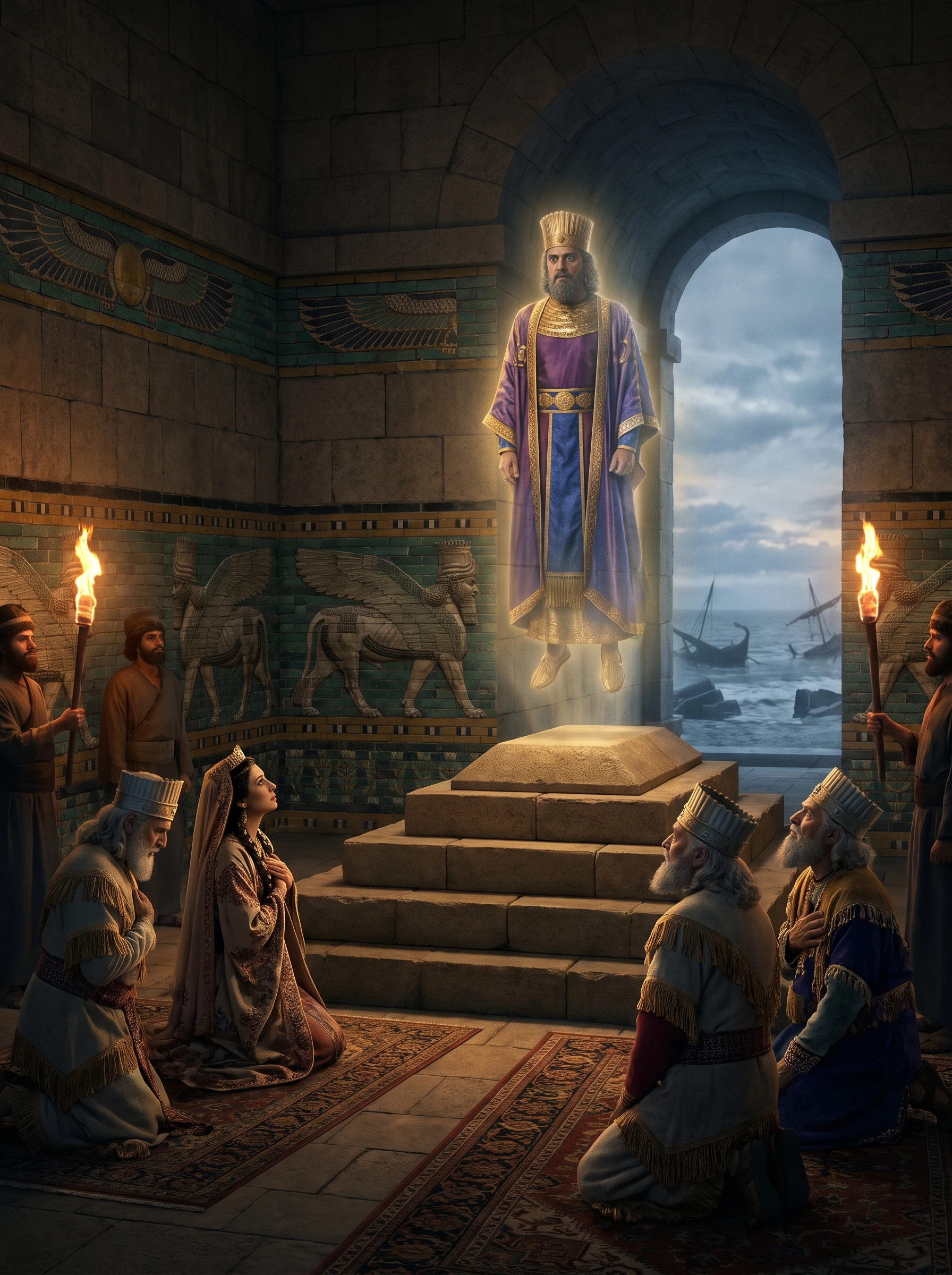
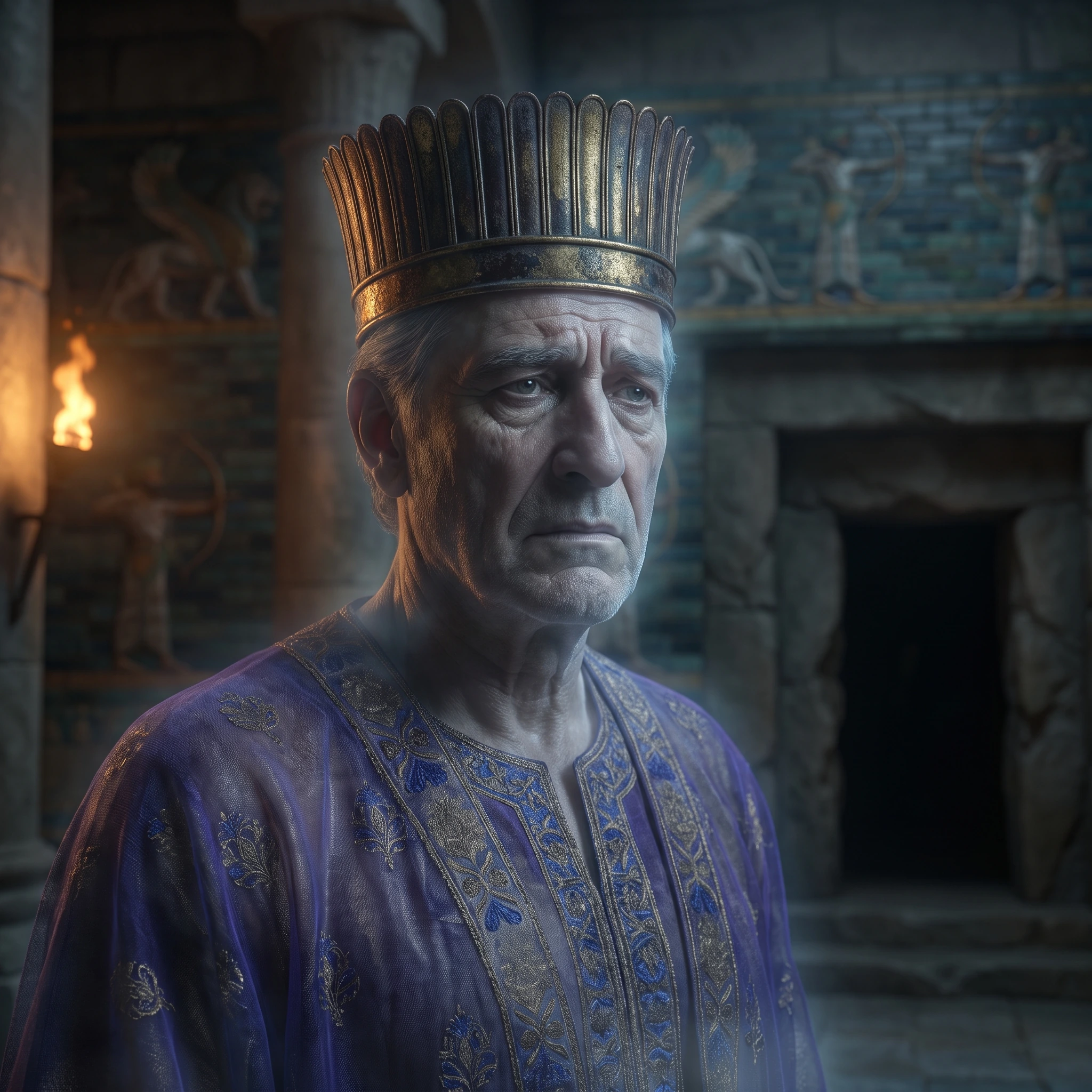
The Ghost of Darius
The dead king rises above his tomb and learns the ruin from Atossa, question by heartbreaking question. His judgment is the moral heart of the play: Xerxes tried to chain the sacred Hellespont like a slave, mortal pride affronted heaven, and worse is coming — the army left in Greece will be slaughtered at Plataea. Let no mortal vaunt himself overmuch.
The Return of Xerxes
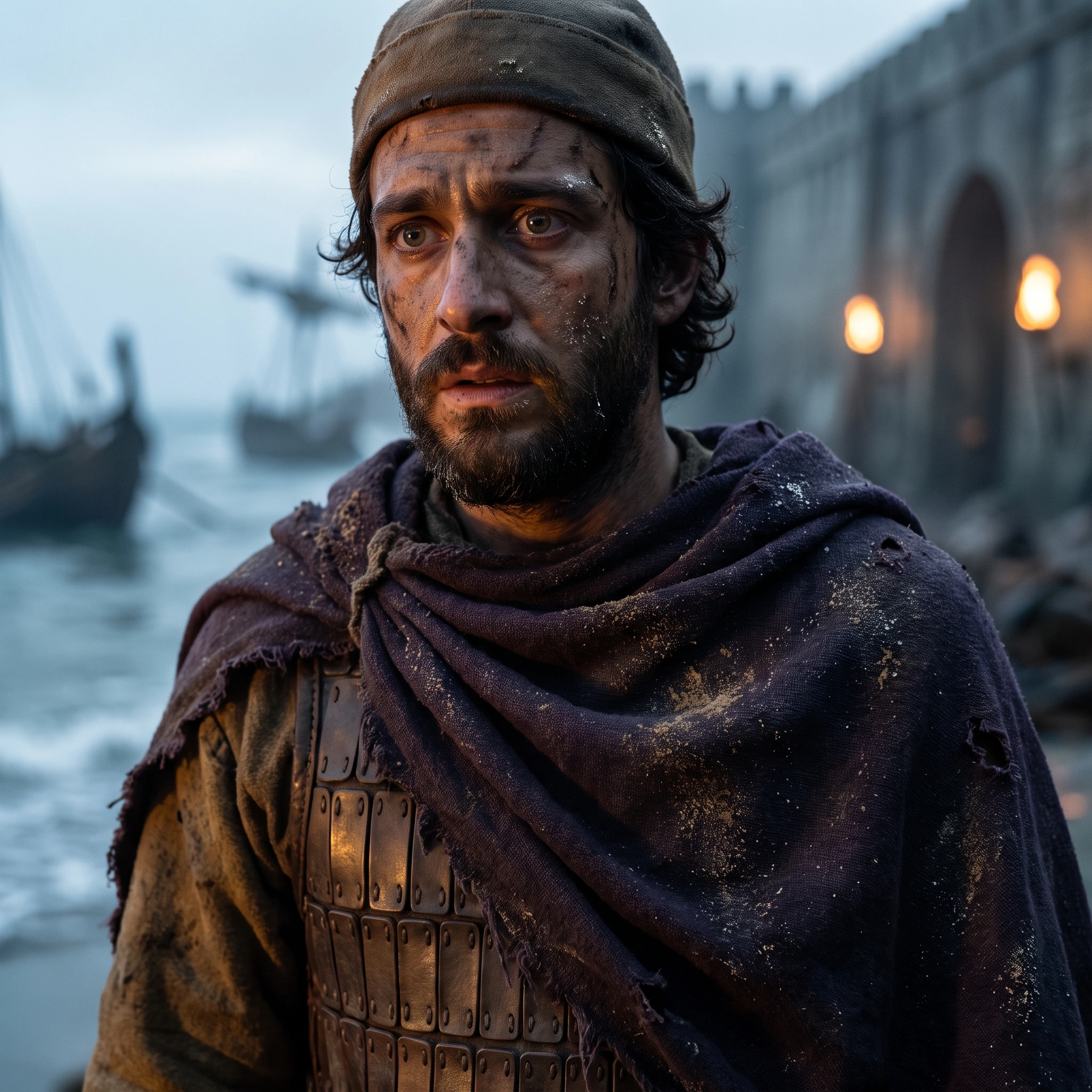
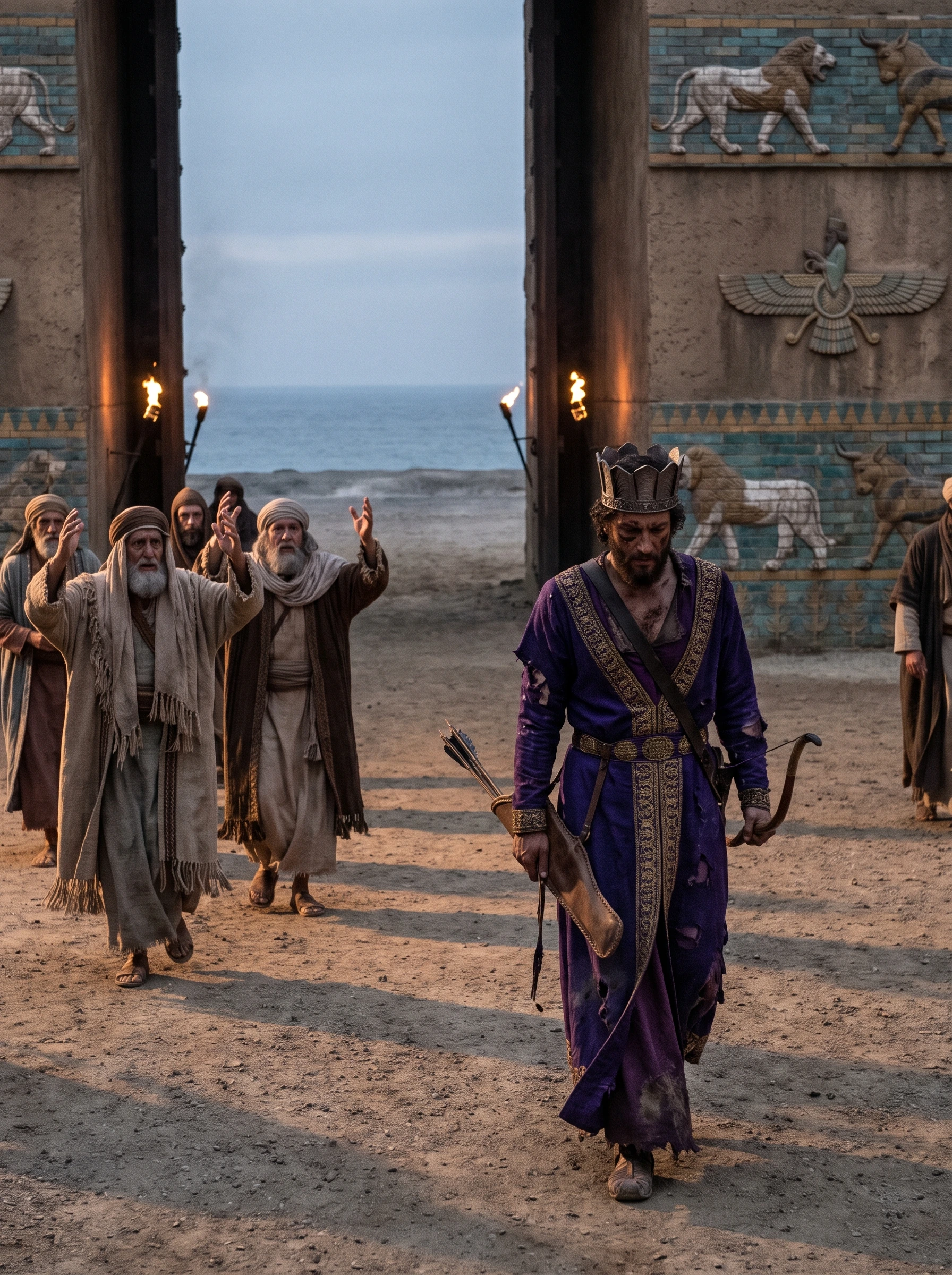
The king who commanded millions comes home alone, in torn robes, holding an almost-empty quiver. In the kommos — the great antiphonal lament that closes the play — Xerxes and the elders call the roll of the dead, name by name, and answer each other shriek for shriek as the broken king is led weeping into his palace.