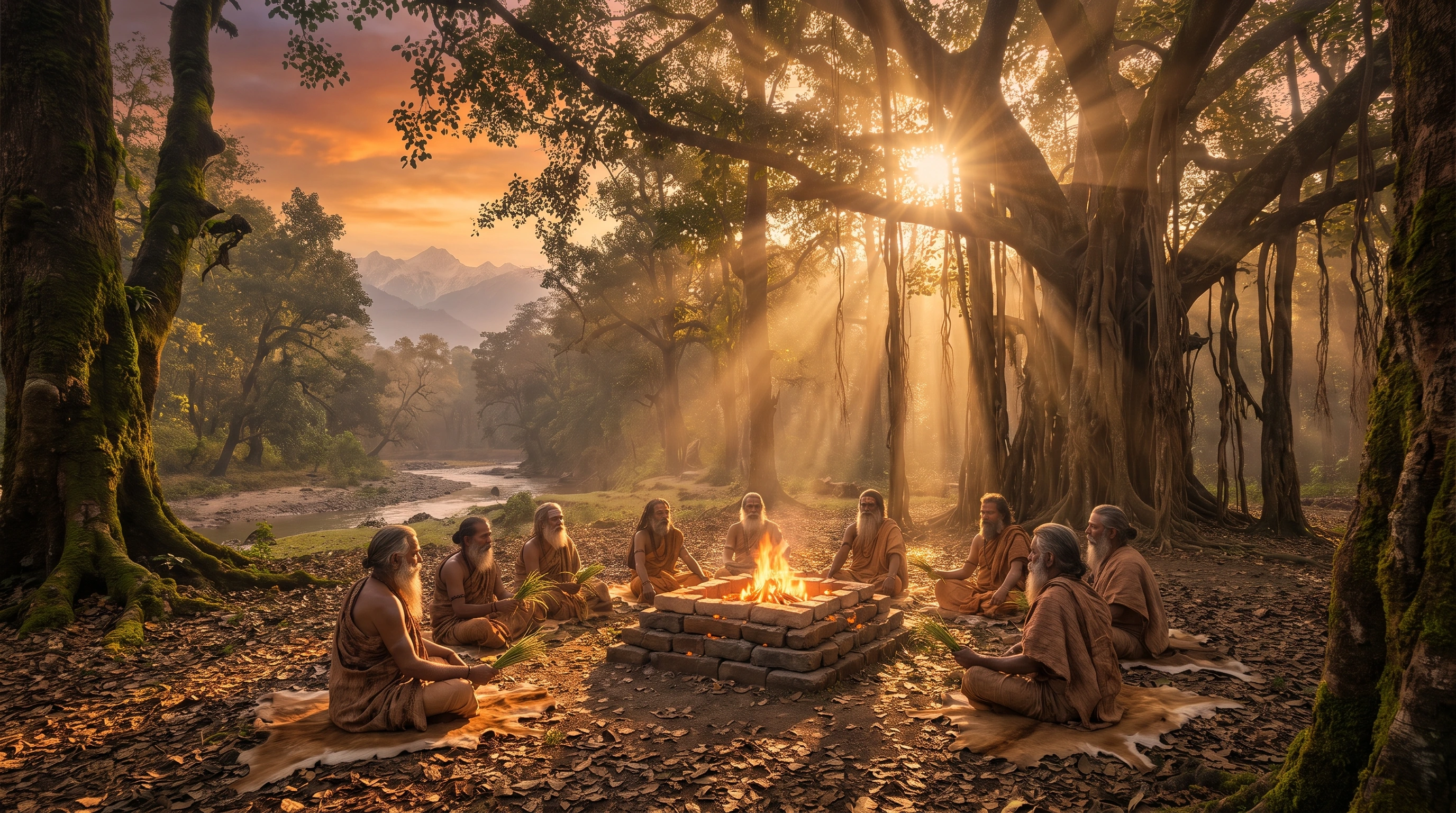
The Principal Upanishads
Ancient Sanskrit dialogues exploring Brahman, Atman, and the nature of reality. Translated by S. Radhakrishnan.
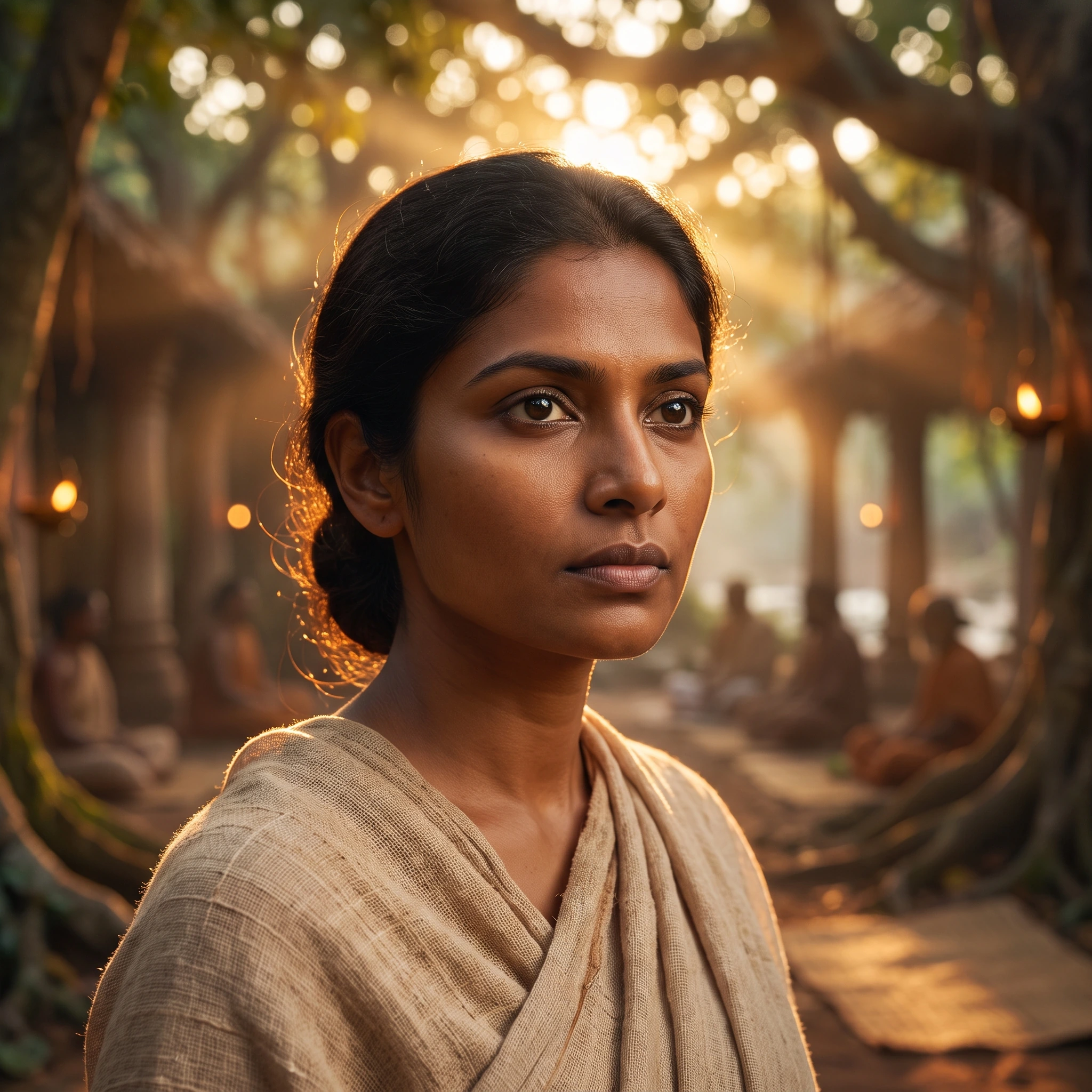
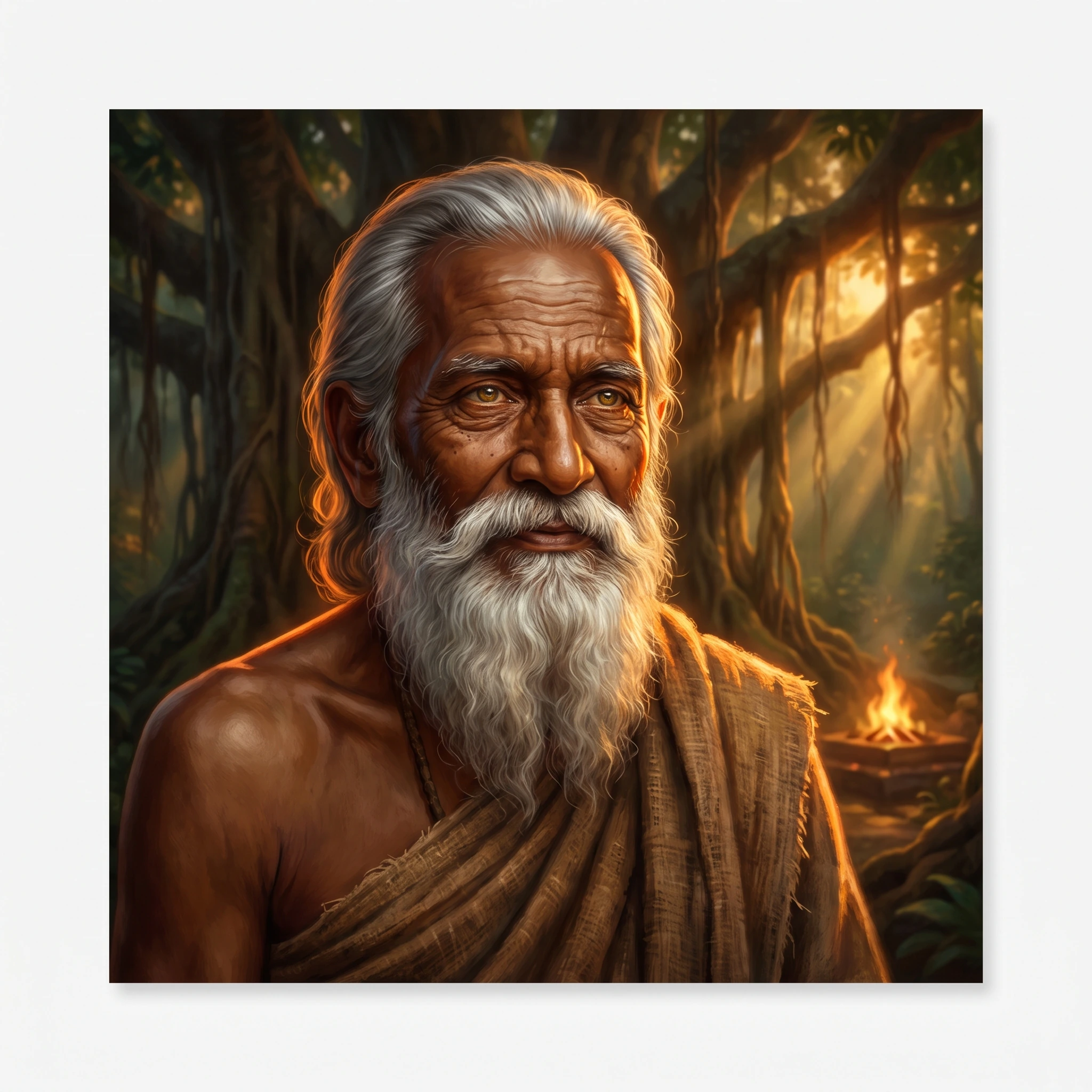
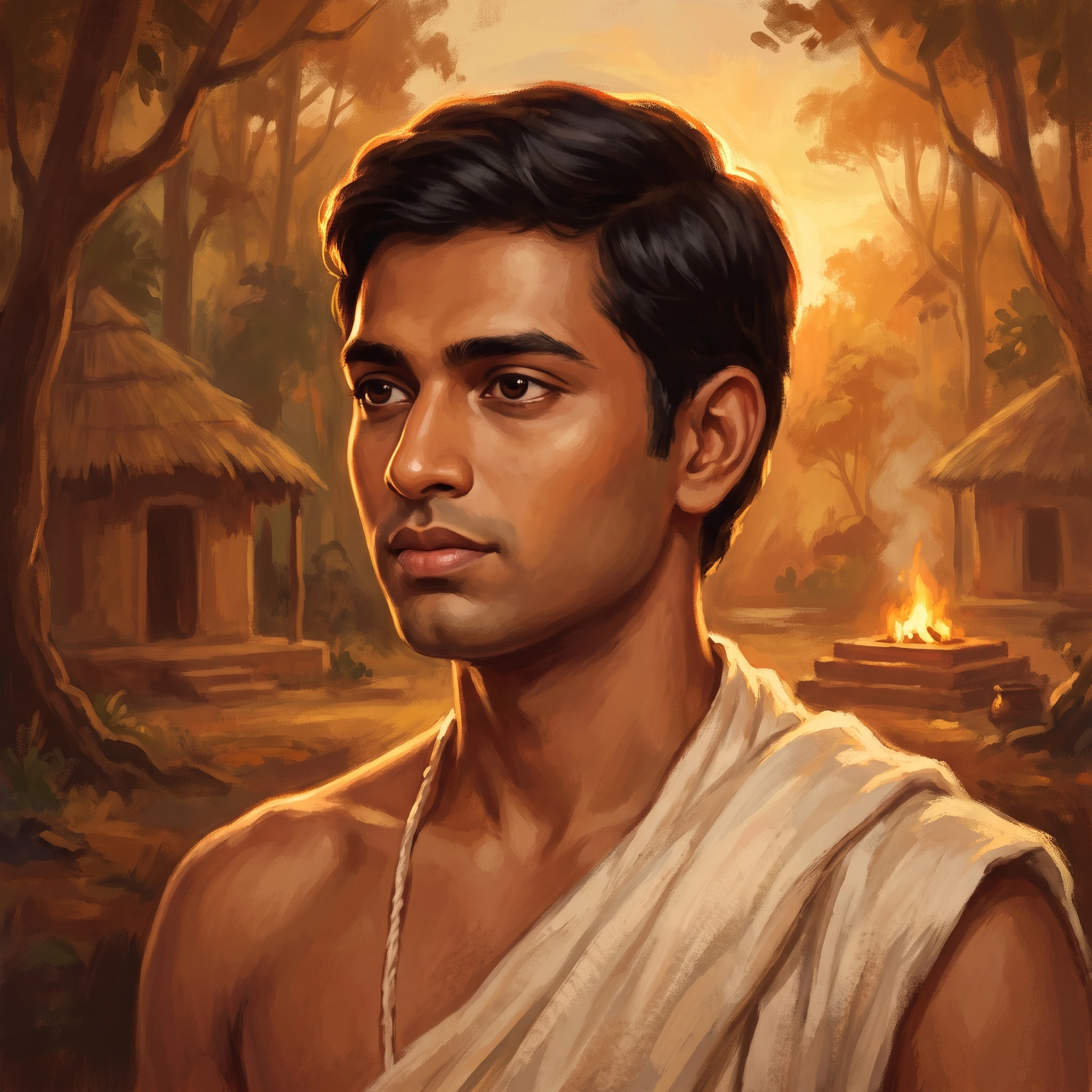
Read the whole story in 12 minutes
All thirteen principal Upanishads in a single sitting — the one thread of Brahman and Atman running through every dialogue.
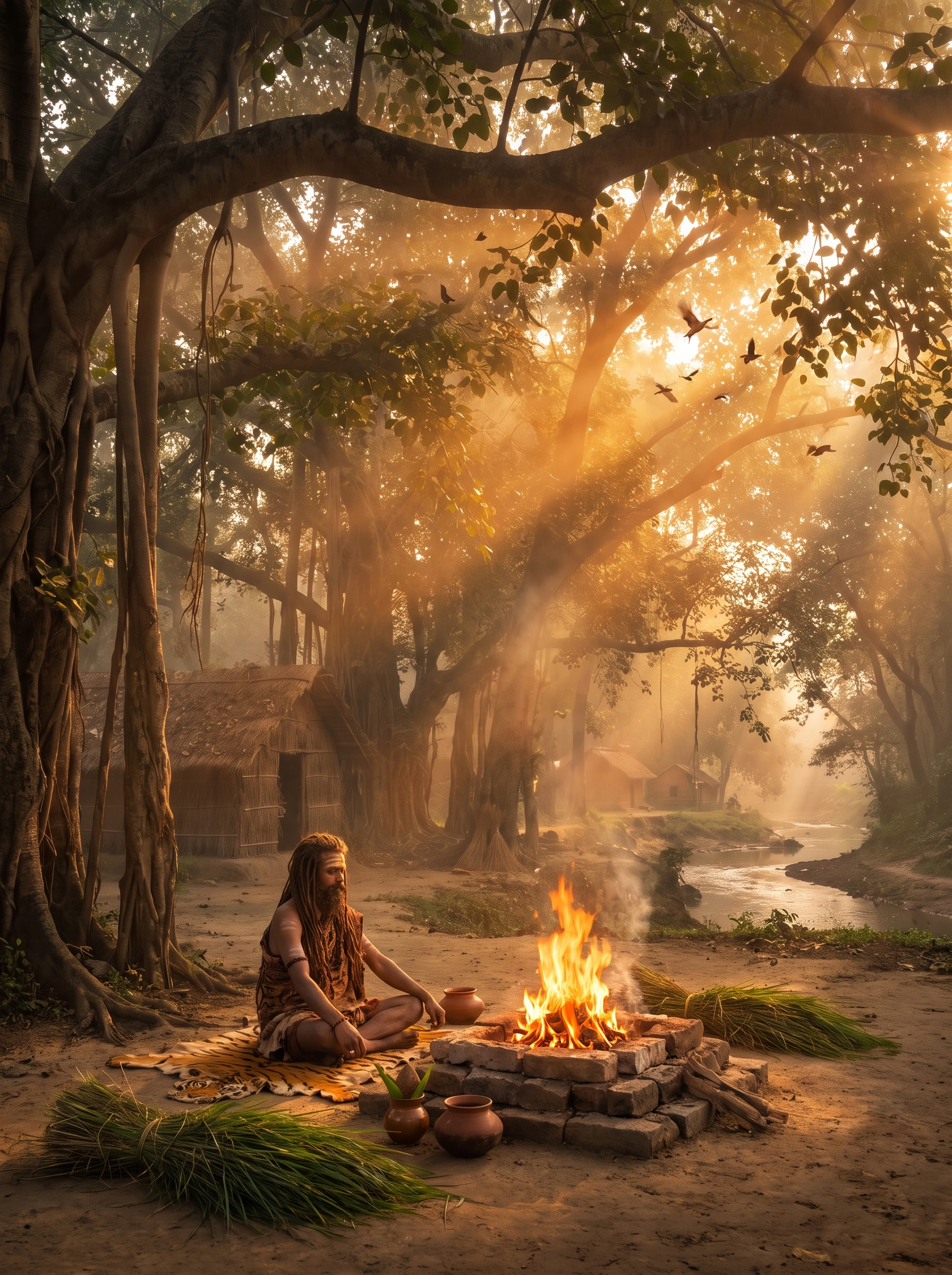
The Lord Dwells in All
The shortest Upanishad: 18 verses on renunciation-in-action and seeing the Self in all beings.
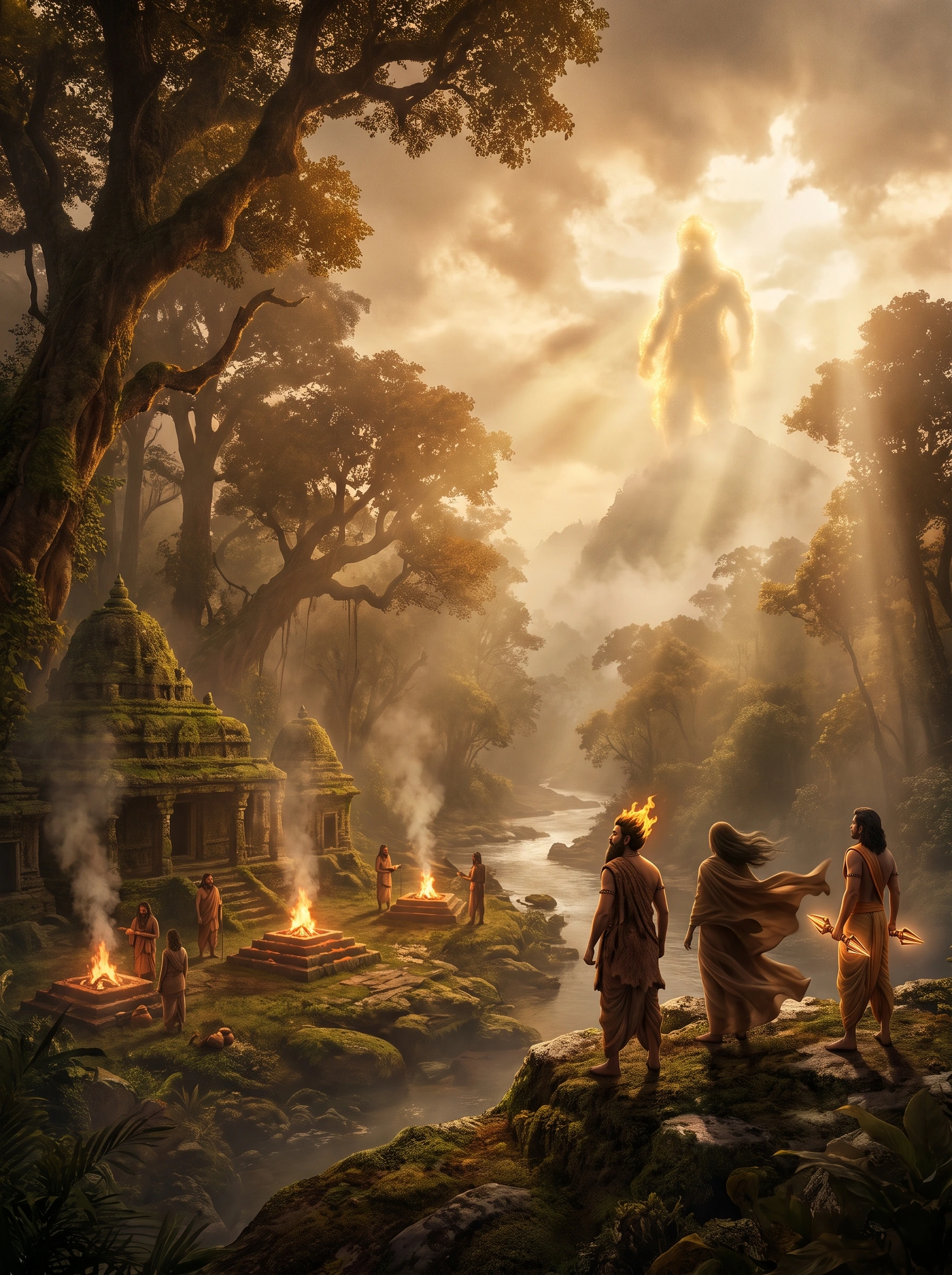
By Whom?
Who drives the mind to alight on its objects? The parable of Uma teaching the gods humility before Brahman.
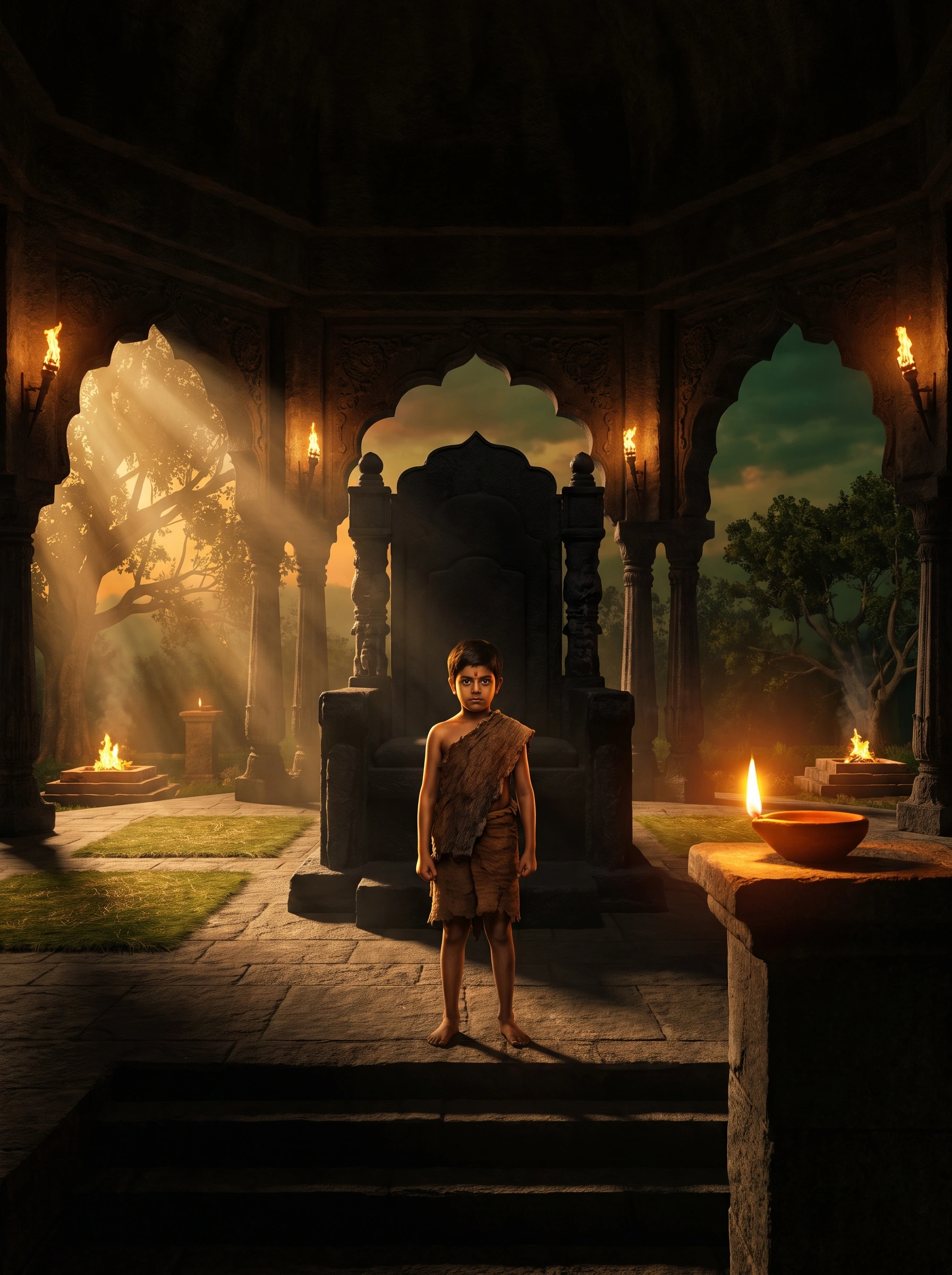
Death as Teacher
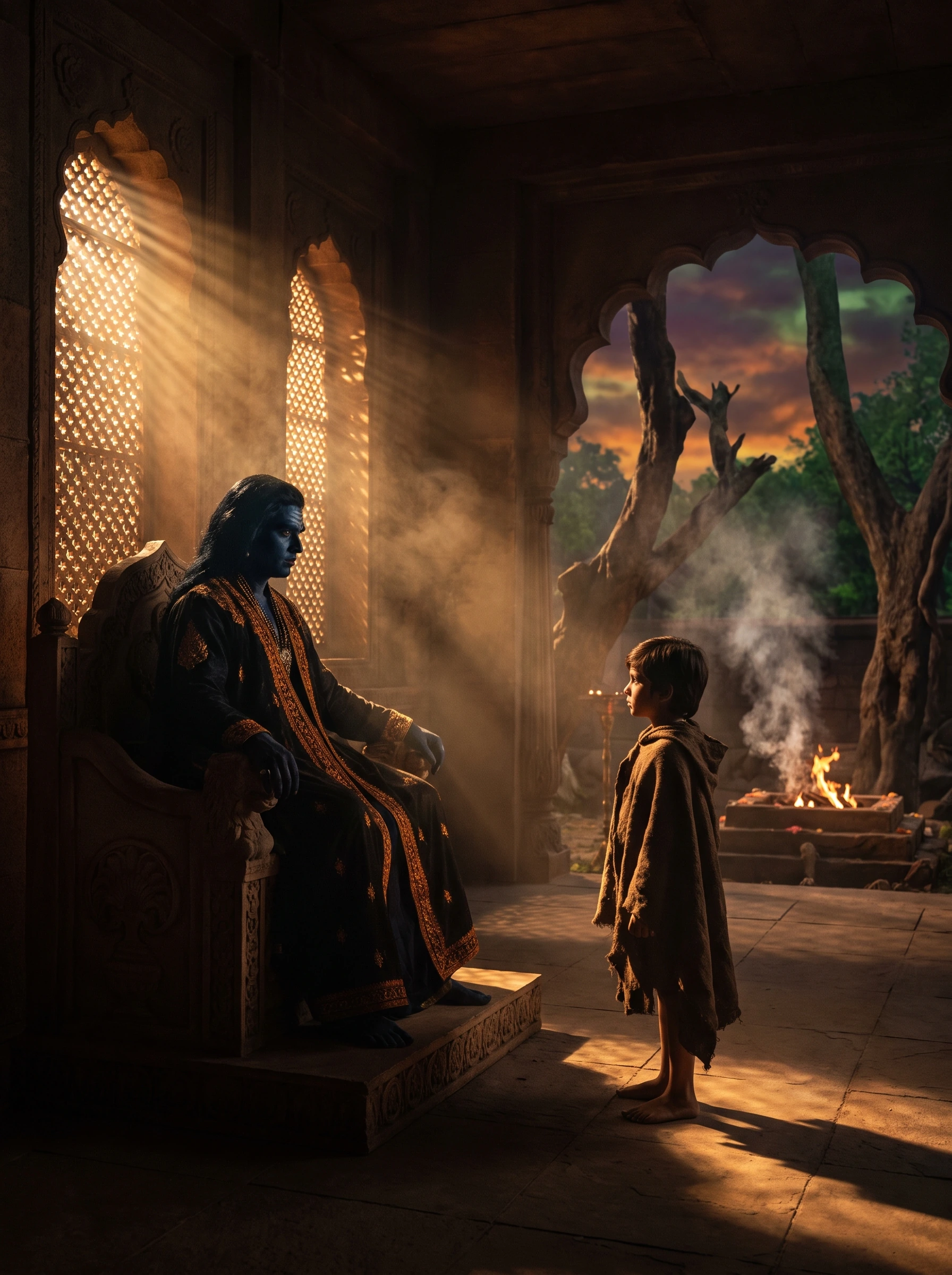
Young Nachiketa journeys to the house of Death and wins three boons, including the secret of immortality.
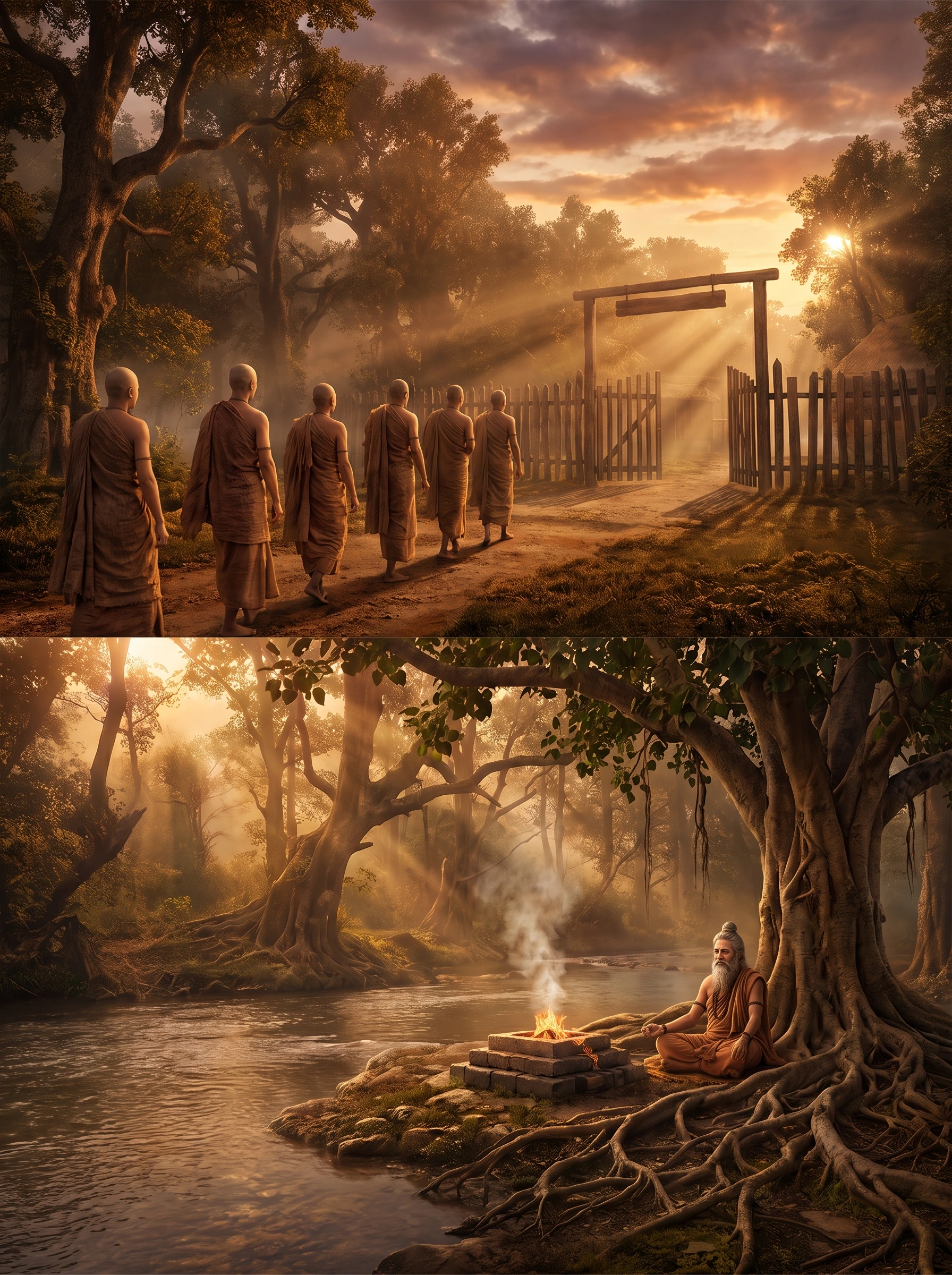
The Six Questions
Six seekers each pose one question to sage Pippalada about the nature of creation, life-force, and the supreme.
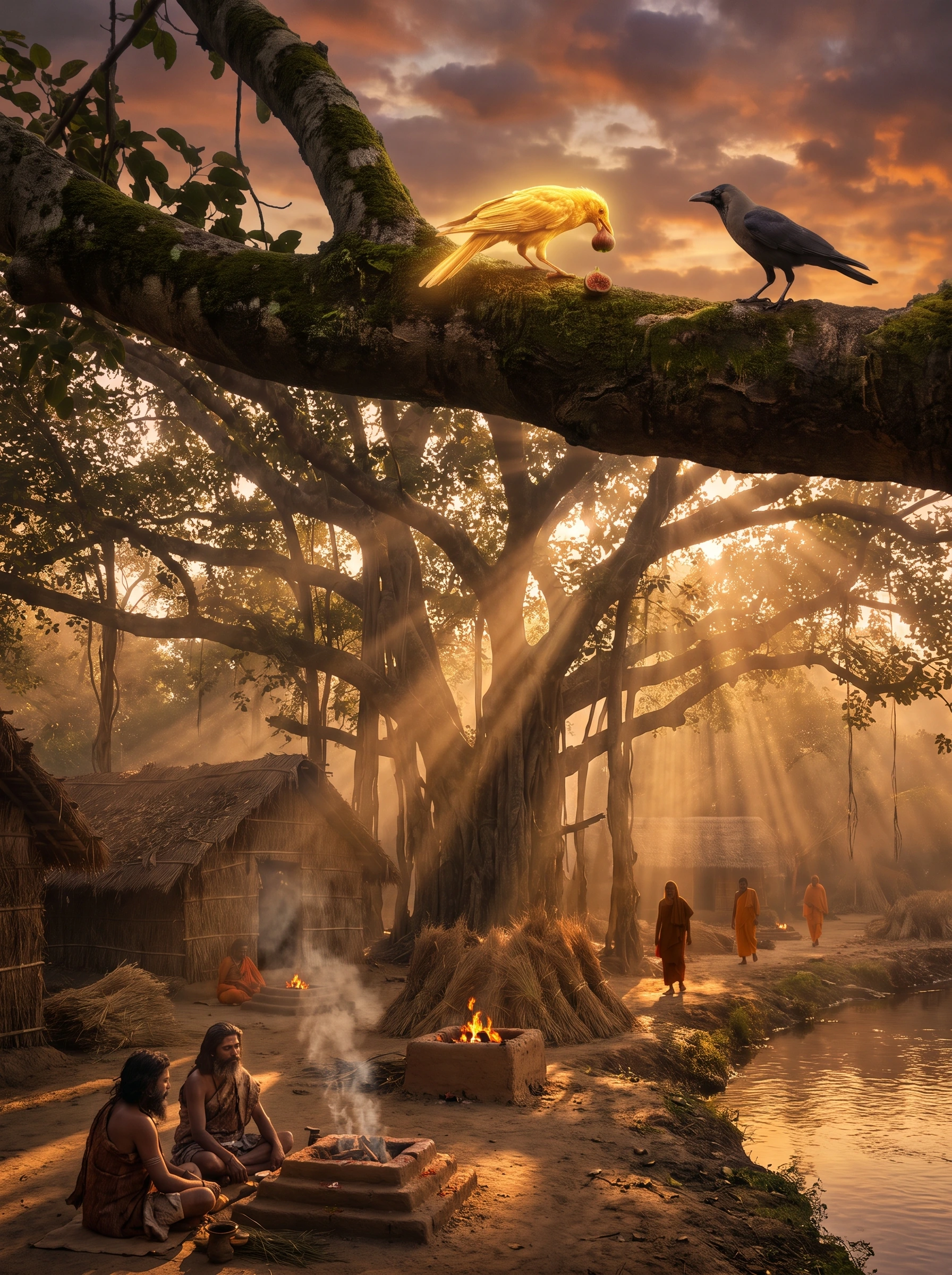
The Razor's Edge
Two kinds of knowledge: the higher (Brahman) and the lower (rituals). Two birds on a tree: the Self and the ego.
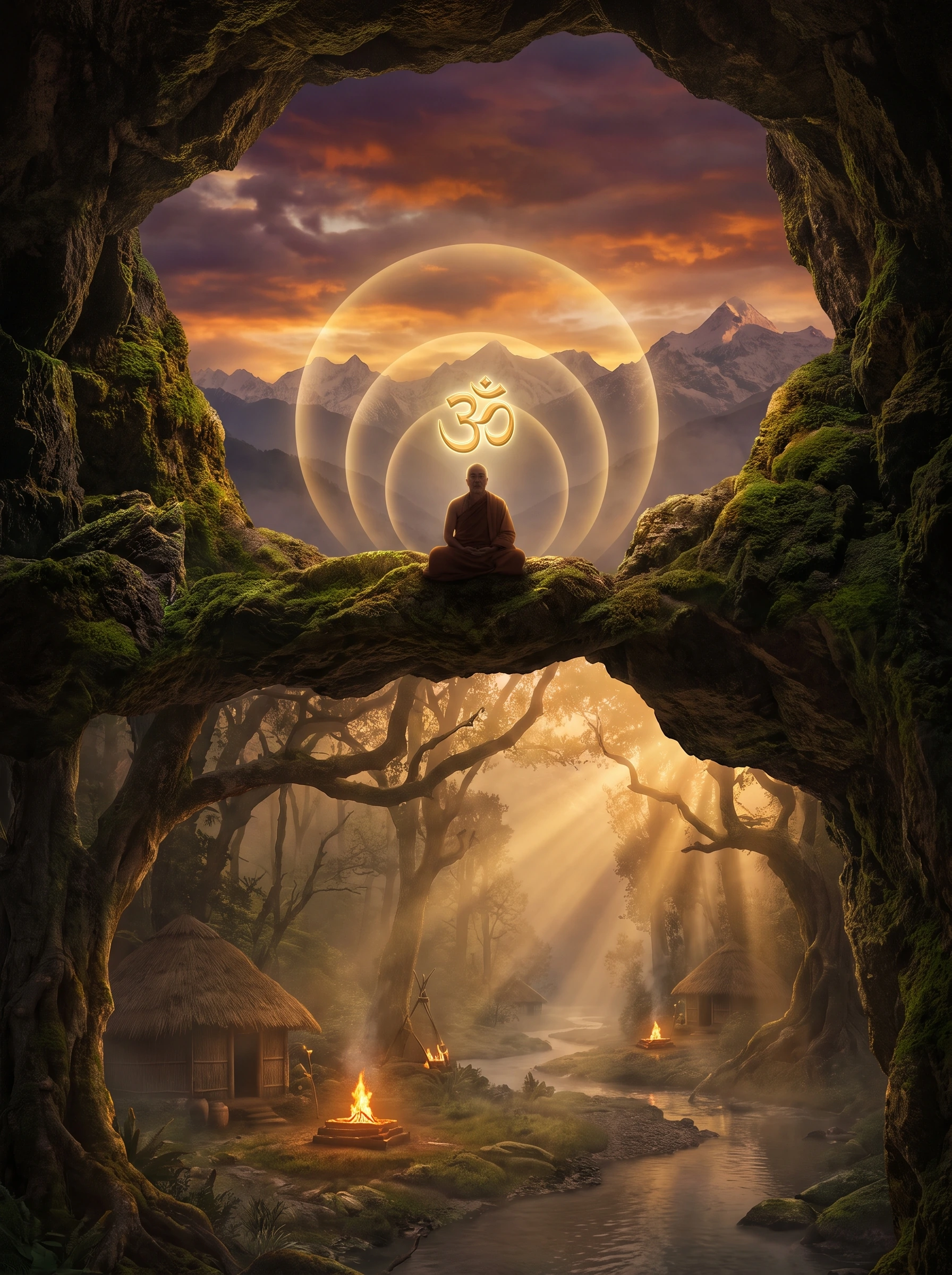
The Syllable AUM
The shortest and most concentrated: 12 verses mapping the three states of consciousness to AUM.
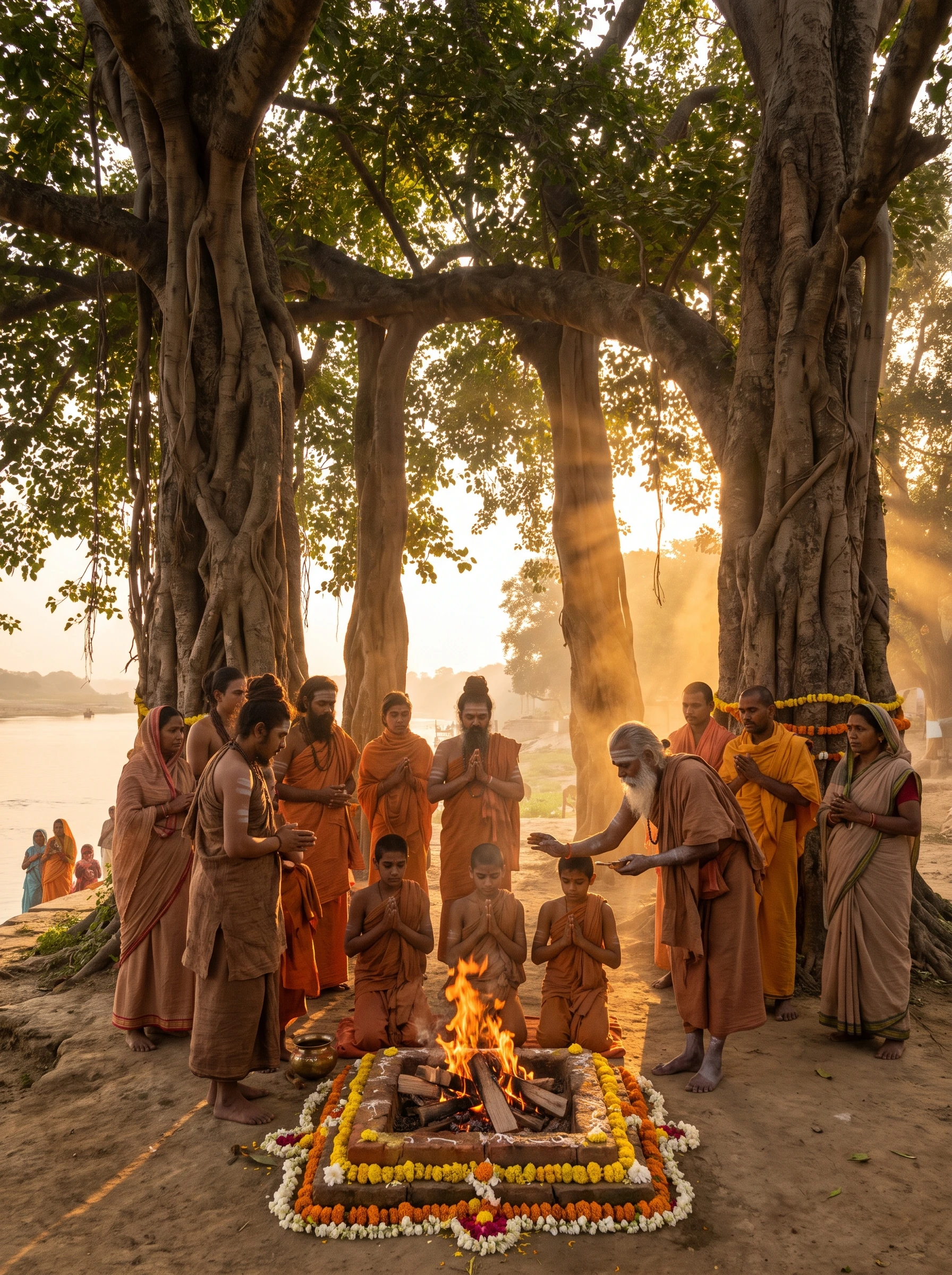
The Five Sheaths
A father's teaching to his graduating son: the five layers of self from food to bliss.
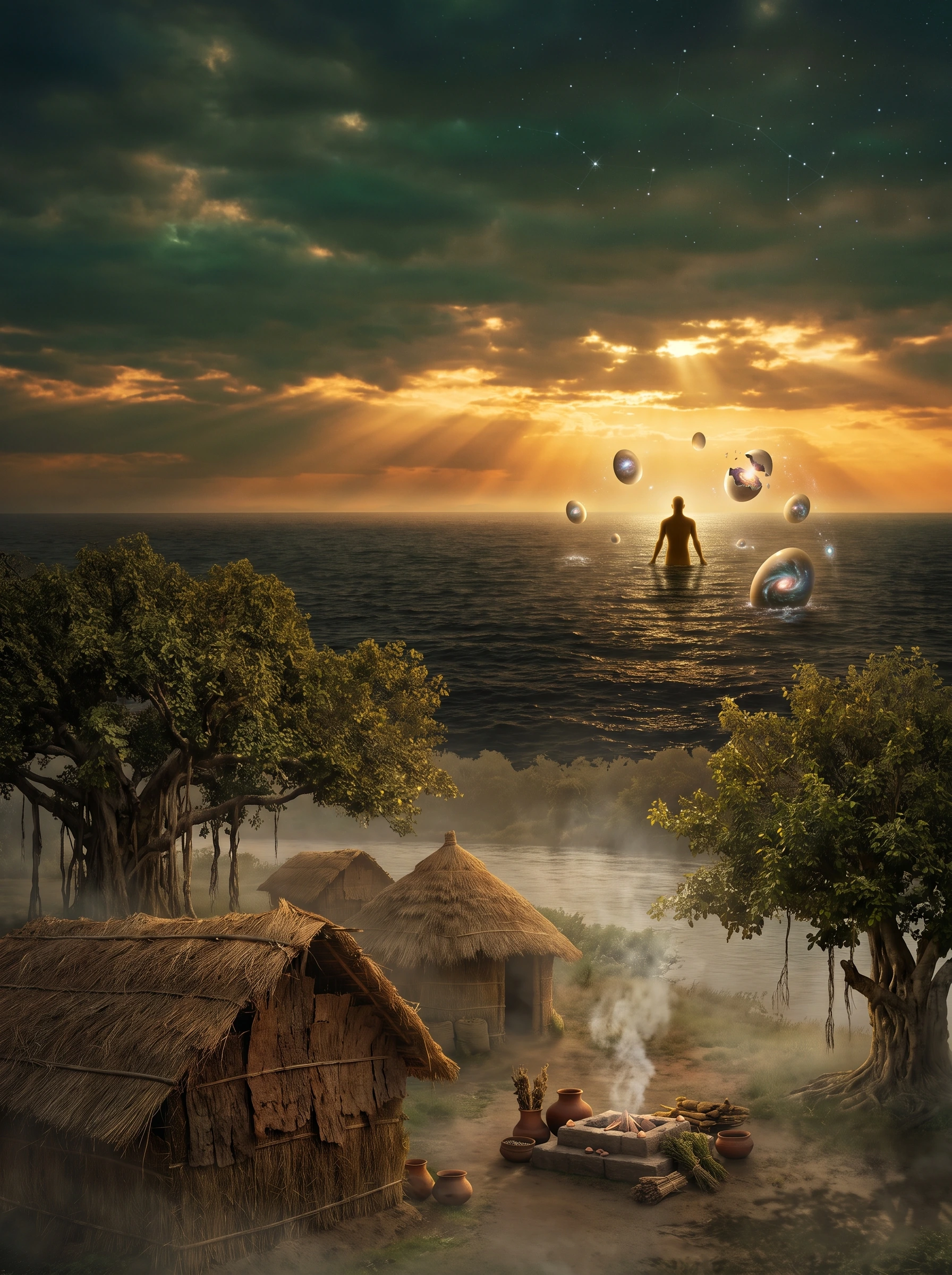
The Creation of the World
How the Self created the universe and entered into every being as consciousness.
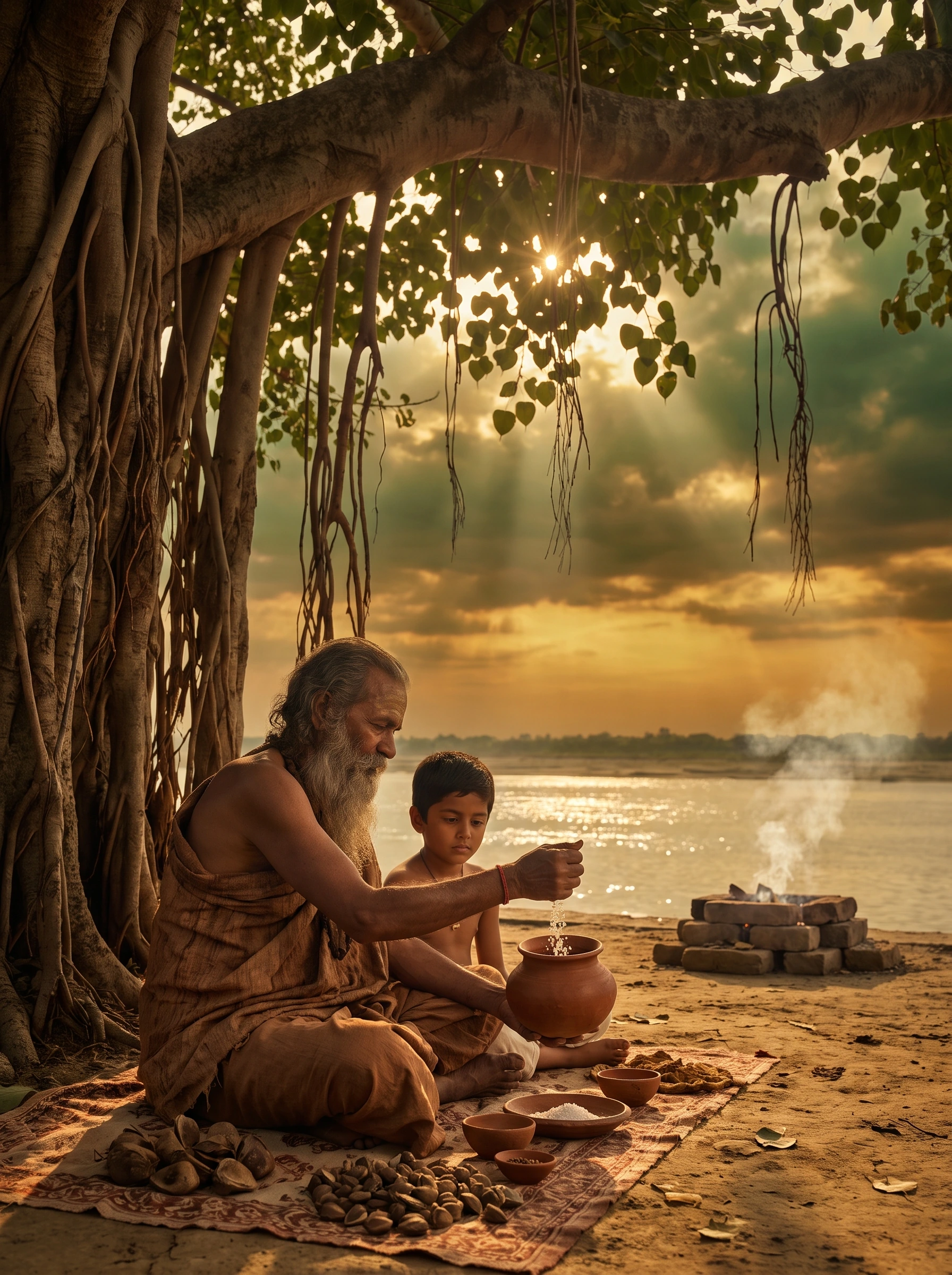
Tat Tvam Asi
The longest: Uddalaka teaches Svetaketu the great saying 'Thou art That' through experiments with salt and water.
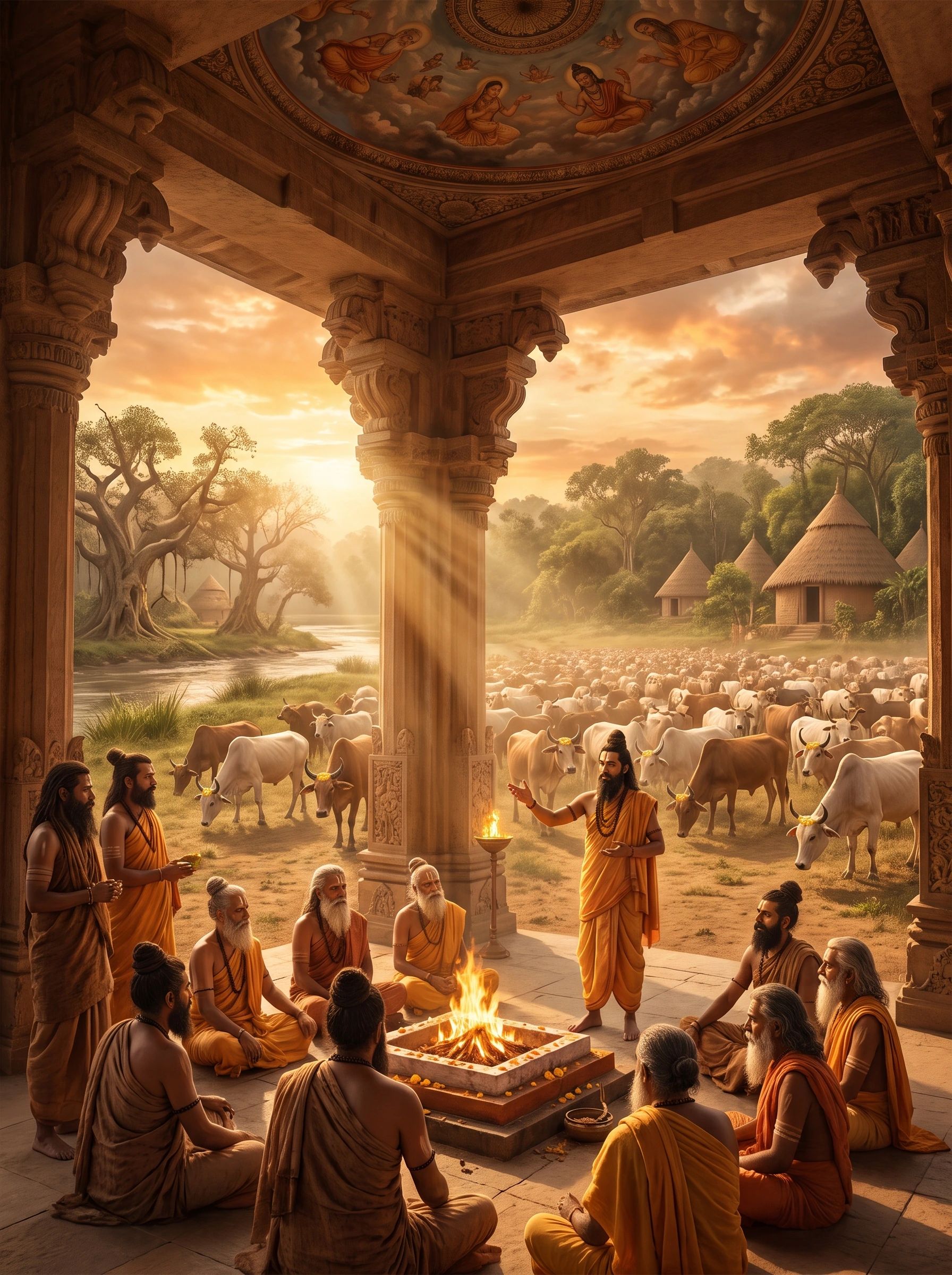
The Great Forest Teaching
Yajnavalkya's court debates, his farewell teaching to Maitreyi, 'neti neti' — Brahman described by negation.
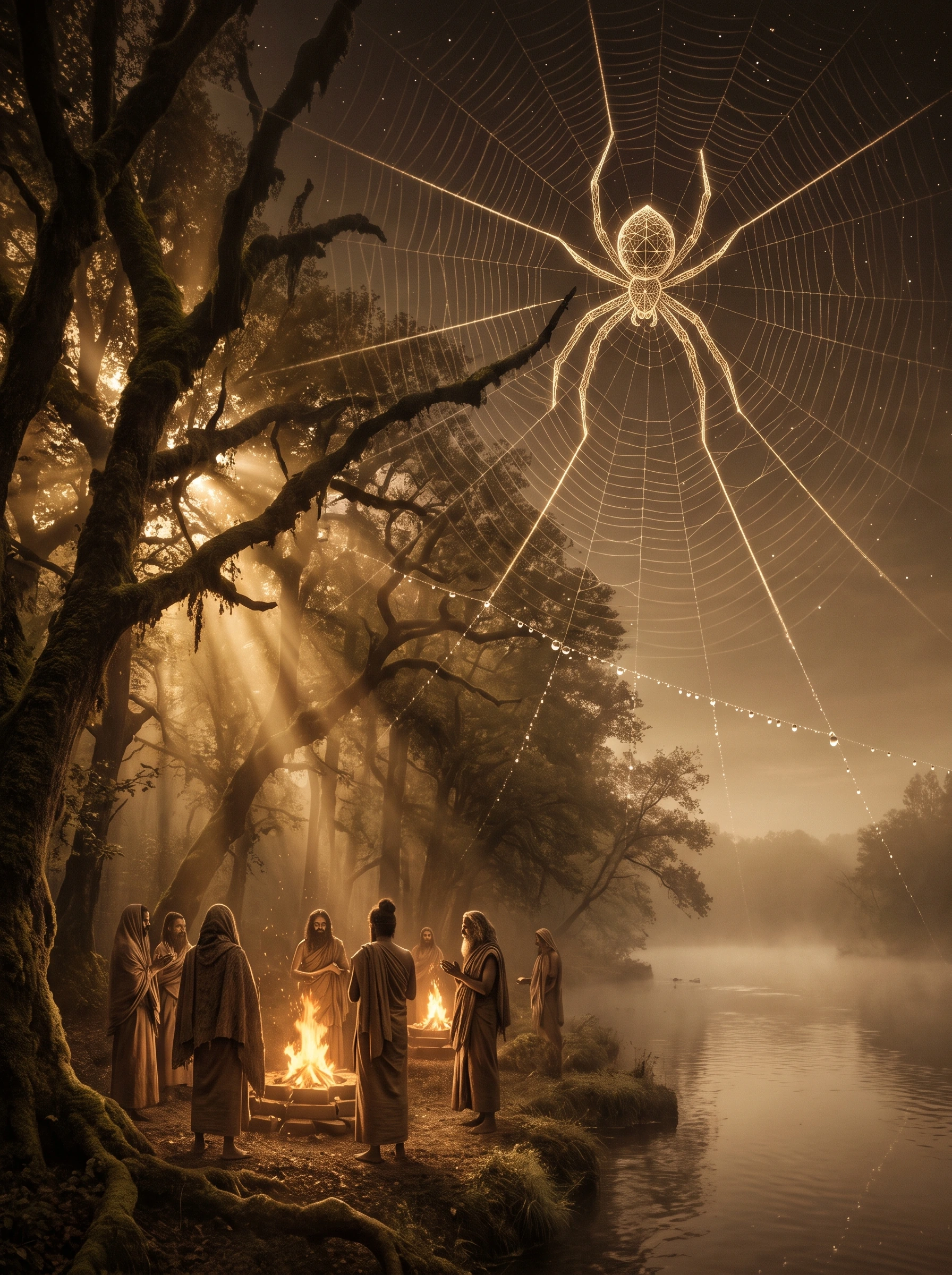
The Lord of the White Mule
A theistic vision: God as the cosmic spider weaving reality from his own nature.
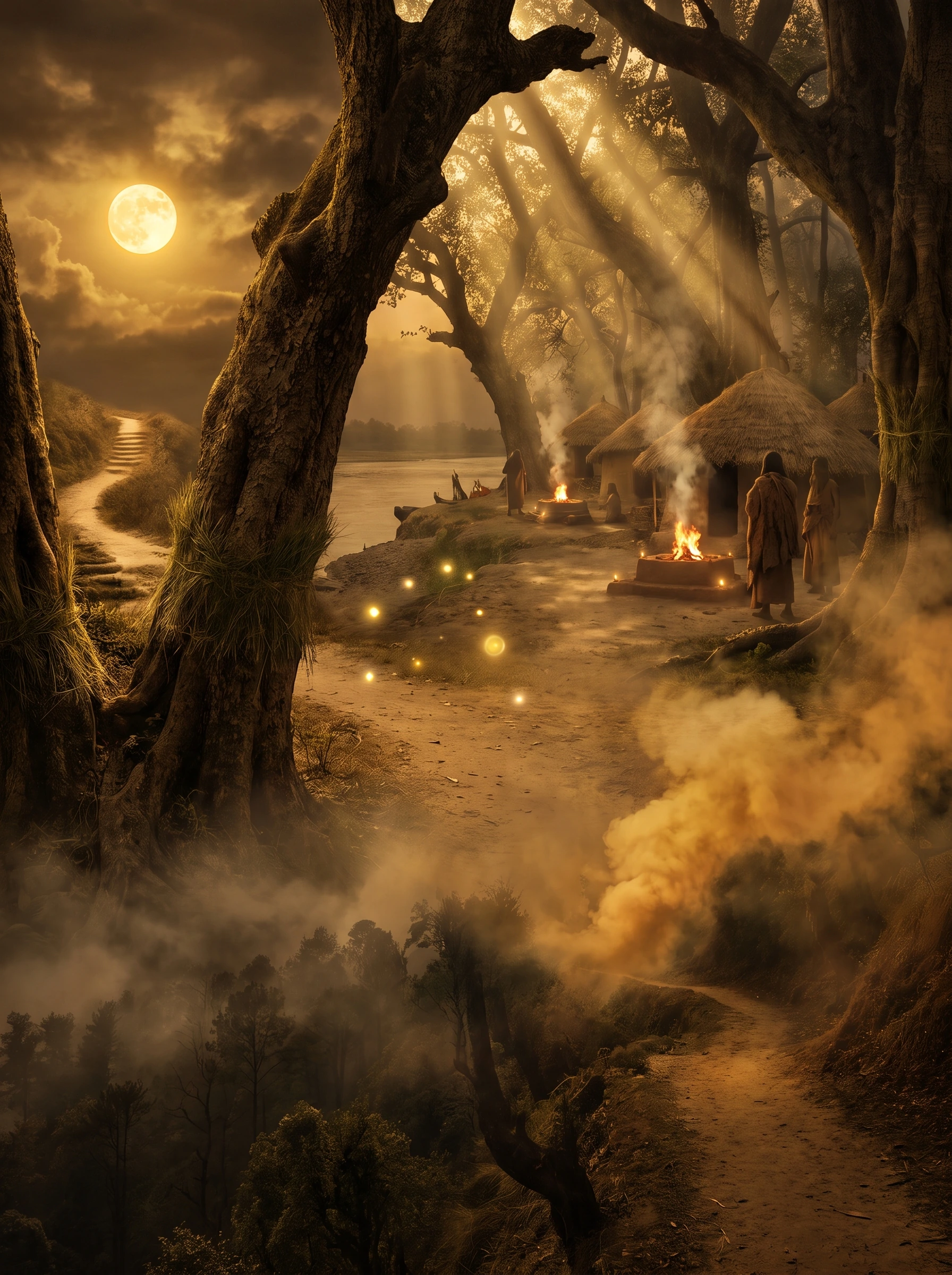
The Path of the Fathers
What happens after death: the two paths (gods vs ancestors), and Indra's teaching on the breath.
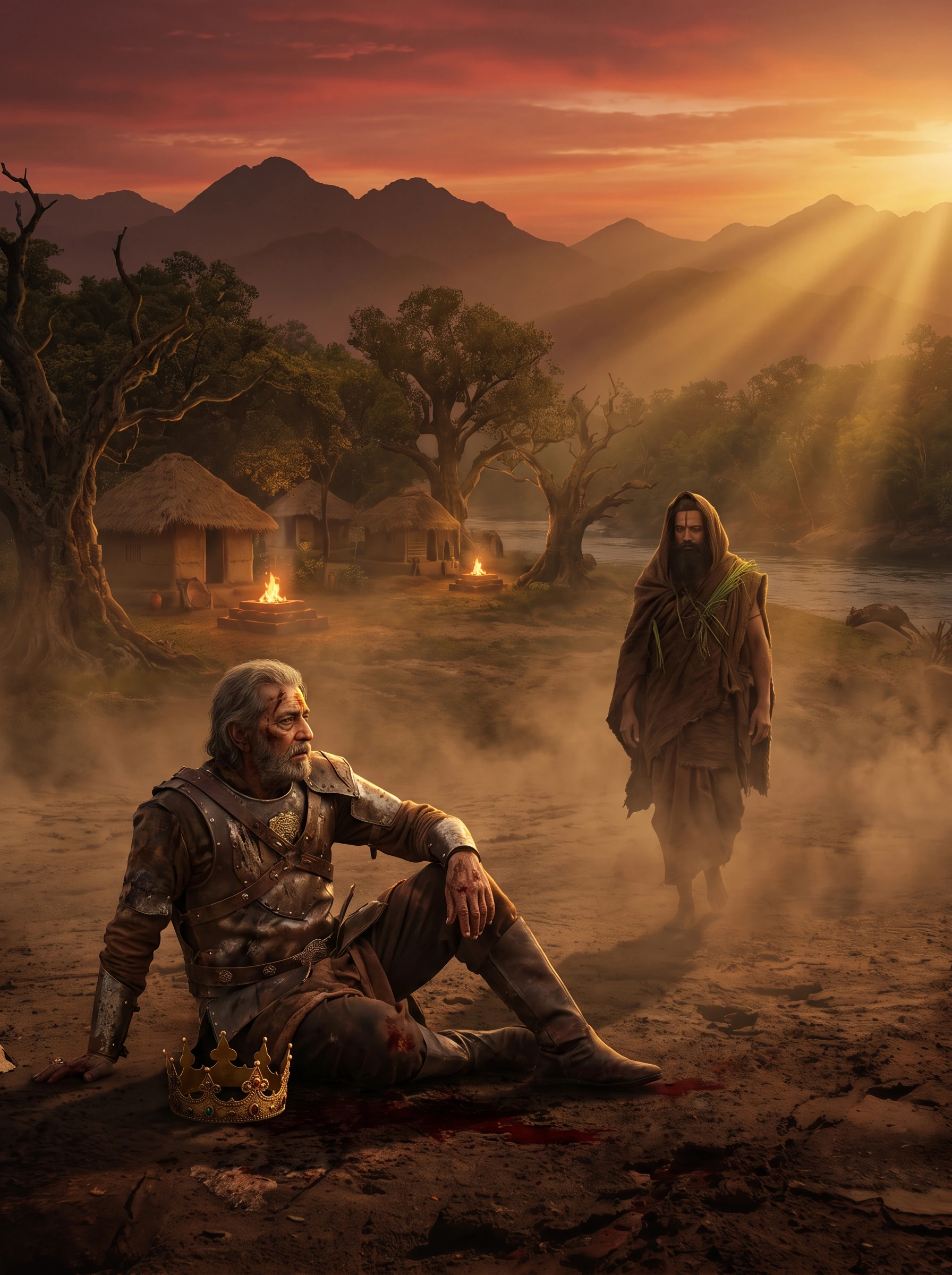
The Meditation of King Brihadratha
A disillusioned king seeks liberation; comprehensive synthesis of Upanishadic thought.